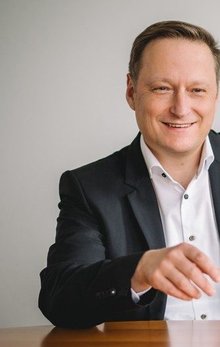
Nestlé, the world's largest food and beverage company operating across 187 countries with more than 2,000 brands, held its 159th Annual General Meeting in Lausanne, Switzerland on 16 April. The company's annual review, approved during the AGM, highlighted significant progress in its sustainability journey alongside financial performance and business transformation efforts.
The Swiss multinational's commitment to environmental responsibility has become increasingly central to its operations, with greenhouse gas emissions reduction targets forming a cornerstone of its strategic direction.
According to the company's annual review, Nestlé aimed to reduce its greenhouse gas emissions by 20% and achieved a 24.5% net reduction against its 2018 baseline, surpassing its initial target. This achievement could signal the effectiveness of the company's sustainability initiatives as it works towards its more ambitious goal of a 50% reduction by 2030 on the road to net zero.

Sustainable product development
The company's approach to sustainability extends beyond emissions reduction into product innovation and development. Nestlé's Health Science division has been expanding its portfolio of medical nutrition products, incorporating plant-based alternatives to reduce environmental impact while meeting patient needs. These products serve patients who cannot consume food orally, using data on patient preferences to develop formulations with familiar food ingredients and sustainable options.
Recent sales of its Compleat real food tube-feeding solutions increased by approximately one-third, driven by optimised marketing strategies and communications with healthcare professionals. The shift towards plant-based alternatives in medical nutrition could represent a significant step in reducing the environmental footprint of healthcare products.
The company has been investing in research to identify sustainable ingredient sources that maintain nutritional efficacy while reducing environmental impact. This includes exploring regenerative agriculture partnerships with suppliers to ensure raw materials are produced using methods that restore soil health and biodiversity. Such initiatives demonstrate how medical nutrition can align with broader environmental goals.
Furthermore, Nestlé Health Science has been working to reduce packaging waste across its medical nutrition range through lightweighting initiatives and increased use of recyclable materials. The division's focus on circular economy principles extends to take-back programmes in select markets, where used packaging can be returned for proper recycling, closing the loop on product lifecycles.
Environmental considerations in business transformation
Nestlé's business transformation strategy incorporates sustainability principles across its major divisions. The company's coffee business, its largest category featuring brands including Nescafé, Nespresso and Starbucks, has been working on increasing capacity for faster regional distribution to meet growing demand for cold coffee in Asia. This expansion has been coupled with efforts to improve supply chain efficiency and reduce emissions associated with distribution.
Pablo Isla, Chairman of the Board at Nestlé, says: "Strong corporate governance is the foundation of our company and its future success. Our goal is to continuously strengthen our effectiveness by regularly appointing new independent directors with diverse areas of expertise.
"Our focus is on driving real internal growth, fostering a performance culture and transforming the company to make it more efficient and digitally empowered."
The company's pet care division, led by the Purina brand, has been leveraging research and development capabilities to develop products that address multiple health conditions including obesity and diabetes in pets. This focus on preventative health could contribute to sustainability by potentially reducing the environmental impact associated with veterinary treatments and interventions.
Sustainability, procurement and supply chain leaders won’t want to miss Sustainability LIVE: The US Summit, taking place at Navy Pier, Chicago, on 21–22 April.
Co-located with Procurement & Supply Chain LIVE, the event unites senior decision-makers at a time when supply chains, sustainability and business performance are more interdependent than ever.
Secure your place now for The US Summit – group booking discounts available.
Innovation for sustainable growth
Nestlé's innovation strategy increasingly reflects environmental considerations alongside consumer preferences. The company has been collecting data-driven consumer insights to create innovation pipelines that respond to emerging trends, including modern cooking methods, new flavours and textures and nutrition goals across life stages.
Stefan Palzer, Chief Technology Officer at Nestlé, says: "We are leveraging our expertise across categories to develop a global approach to recipe and material specification. By complementing this with digital tools, we are becoming more efficient, while ensuring safety, compliance and preference."
The launch of products such as Milo Pro, which contains three times more protein than traditional Milo drinks, demonstrates how the company could be responding to consumer demand for nutritious options while potentially optimising resource use through concentrated formulations.
Looking forward, Nestlé plans to unlock resources for investment at scale by generating efficiencies and cost savings by the end of 2027. The company is expanding its growth platforms from 10% to 30% of sales, with sustainability initiatives expected to play an increasingly important role in this expansion.
Philipp Navratil, CEO of Nestlé, says: "We laid a strong foundation for long-term success. As we look ahead, accelerating our progress will be essential to achieving our ambitious financial and sustainability goals.
"The next few years at Nestlé will be marked by change and our future is promising. I am confident that with our people, capabilities and brands, we are well-positioned to succeed."
Company portals

Executives

Pablo Isla
Chairman
Philipp Navratil
Chief Executive Officer
Stefan Palzer
Chief Technology Officer and Executive Vice President