Renault: EV Battery Recycling Tackles Sustainability Crisis
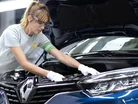
The automotive industry faces mounting pressure to address the environmental impact of electric vehicle batteries as they reach the end of their useful life.
With regulations tightening and millions of batteries set for retirement in the coming years, manufacturers are being held accountable for their products from production through to disposal.
The Future is NEUTRAL, a company majority-owned by Renault Group, has become the first organisation to operate an Individual System (IS) in France dedicated to managing end-of-life electric vehicle batteries from Renault Group.
The company already oversees end-of-life vehicle management for 15 automotive brands in France and has now extended its remit to include battery lifecycle management.
End-of-life electric vehicle batteries present significant environmental and safety challenges.
According to the World Resources Institute, these batteries are classified as hazardous waste in the US and other jurisdictions due to their dangerous components.
When batteries end up in landfills, they can leach toxic chemicals into the surrounding environment, potentially exposing nearby communities and workers to serious health hazards.
Beyond chemical contamination, these batteries also carry the risk of thermal runaway – a chain reaction involving rapid temperature increases and high pressure that can trigger fires which are notoriously difficult to extinguish and release toxic fumes into the atmosphere.
Regulatory frameworks driving manufacturer accountability
The scale of the challenge could become substantial.
According to McKinsey, more than 100 million electric vehicle batteries are expected to reach retirement within the next decade.

In response, the European Extended Producer Responsibility (EPR) regulations came into effect in August 2025, making manufacturers responsible for their battery products throughout their entire lifecycle.
Similar frameworks exist in the EU, India and China.
According to McKinsey, recycling electric vehicle batteries could serve as more than just an environmental imperative – it may also address anticipated shortages of raw materials such as lithium and nickel.
The practice could also help reduce battery emissions and decrease the reliance of EU and US markets on carbon-intensive mining regions.
Collaborative approach to battery management
The Future is NEUTRAL's battery end-of-life management operates alongside its existing vehicle disposal services, working in partnership with its subsidiary Indra Automobile Recycling.
This subsidiary specialises in end-of-life vehicle treatment and the diagnosis and securing of electric vehicle batteries, directing waste towards recycling channels with support from shareholder Suez, which focuses on recycling and waste recovery.
The company also collaborates with Gaia to extend battery lifespan through repair services.
More than 90% of defective batteries can be repaired, and Gaia has restored more than 18,000 batteries to date.
When a battery's remaining capacity no longer meets automotive requirements, or remains functional at the end of a vehicle's life, Gaia can prepare it for secondary applications including stationary storage or alternative mobility uses.
The approval granted to The Future is NEUTRAL to operate an Individual System allows manufacturers to fulfil their EPR obligations independently, rather than delegating them to a state-managed collective structure.
Yann Velluet, VP Battery Business at The Future is NEUTRAL, says: "This first approval reinforces our belief in the competitiveness of our IS offer for the end-of-life management of electric vehicle batteries. Leveraging the complementary expertise of our subsidiaries and partners, we offer our circular economy solutions to all automotive manufacturers."
Company portals


Executives
Yann VELLUET
VP Battery Business and OEM Integration