Is IKEA's Jesper Brodin the Next UN Refugee Agency Lead?

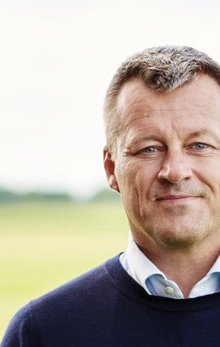
Jesper Brodin, CEO of Ingka Group - the company operating most IKEA stores - has been put forward by Sweden to become the next UN High Commissioner for Refugees (UNHCR).
The announcement on 13 October positions Jesper alongside other contenders reportedly including Finland’s foreign minister, Turkey’s UN ambassador and former migration ministers from Belgium and Switzerland.
According to the UN Refugee Agency, the high commissioner oversees global efforts to protect refugees, secures solutions to displacement, upholds fundamental human rights and directs life-saving assistance in crises.
Sweden’s International Development and Trade Minister, Benjamin Dousa, argued that private-sector rigour could strengthen the UN at a time of mounting need: “The UN system would be strengthened by a person with business experience, especially given the major challenges now facing the UN.
“That’s why someone who knows how to keep hold of the purse strings and deliver efficient operations is needed.”
Jesper, who is scheduled to step down as Ingka Group CEO in November 2025, told Reuters he brings experience from IKEA’s collaboration with UNHCR in Syrian refugee camps in Jordan and following Russia’s invasion of Ukraine.

Global funding changes shape the role
Filippo Grandi has led UNHCR for nearly a decade and will conclude his term at the end of 2025.
The former head of the UN Relief and Works Agency for Palestine Refugees has consistently warned about the impact of shrinking international budgets on the UN’s ability to respond.
The Financial Times reported that President Donald Trump cut US funding for the agency from about US$2bn to roughly US$390m in 2025, with Germany, France and Italy also reducing support.
In a March 2025 interview with CNN, Filippo underscored the security implications of retreating aid commitments.
He said: “Europe is surrounded by a belt of crises that are very dangerous for Europe’s security as well.
“Whether it is Syria, the Sudan crisis, the Sahel or Ukraine, it is very important that Europe steps up its foreign assistance, not only for those places but for Europe’s security as well.”
Asked about claims by Elon Musk that lower aid spending would not cost lives, he responded candidly: “You can argue whether we can be more efficient in distributing aid, and for sure, that’s something we always strive to do.
“With fewer resources, we’ll be even more efficient - avoiding duplication, working together, being more agile and directing resources where they’re needed most.”

Retail leader with humanitarian experience
Jesper has spent more than three decades at IKEA and is credited with reshaping the retailer’s footprint by expanding smaller urban formats and accelerating e-commerce, while steering the company through the COVID-19 pandemic.
He framed the nomination as an opportunity to serve vulnerable communities, reflecting on long-standing partnerships between IKEA and UNHCR.
In a LinkedIn post on 15 October, he wrote: “Honoured and humbled that the Swedish Government has nominated me for such an important role.
“UNHCR, the UN Refugee Agency plays such an important role in protecting some of the world’s most vulnerable people.
“Over the years, I have had the privilege to follow it closely, through our collaborations, and I have always been deeply impressed by its commitment and ability to make a real difference.”
Colleagues voiced support for his candidacy. Cindy Andersen, Managing Director of Ingka Centres, commented: “Such a great choice of candidate! You (Jesper) have always been inspiring me and many others with your leadership - always courageous, purpose driven and optimistic.
“You have, and will continue to make a difference!”
What happens next
The 193-member UN General Assembly is expected to select a new high commissioner later this year.
For sustainability leaders, the nomination tests whether private-sector expertise in efficiency, governance and responsible resource use - skills honed in complex global supply chains - can translate into stronger, more accountable humanitarian responses.
With climate pressures intensifying displacement and funding under strain, the next UNHCR chief will need to mobilise partnerships, deploy resources effectively and scale solutions that protect people and the planet.
Company portals

Executives
Cindy Andersen
Group Strategy, Development & Innovation Manager Ingka Group
Jesper Brodin
Chair