
Girteka: How Intermodal Logistics can be Decarbonised
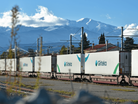
Intermodal transport is becoming an increasingly popular choice for businesses seeking reliable, low-emission methods to move goods—even those that are temperature-sensitive.
By combining different modes of transportation such as railway and roadway, intermodal transport provides an optimal solution for long-distance deliveries without sacrificing reliability or efficiency.
Girteka is among those enhancing the sustainability of logistics by integrating rail and road transport, optimising long-distance deliveries across its ever-expanding European network, which includes Spain, Italy, France and Germany.

In 2024, the Lithuanian company's use of intermodal solutions rose by 35% compared to 2023, handling more than 24,000 full truckloads.
By employing advanced digital tools that provide real-time cargo visibility and remote trailer monitoring, Girteka ensures top-notch delivery standards.
The integration of rail transport with the innovative use of HVO (Hydrotreated Vegetable Oil) fuel in its operations not only shows its commitment but also exemplifies the practical applications of sustainable logistics solutions - this approach can slash CO₂ emissions by up to 90%.
Cutting carbon emissions
In 2024, Girteka's adoption of intermodal solutions resulted in a significant environmental achievement: the elimination of more than 23.6 million kg of CO₂ emissions.
By using trains that can transport up to 50 trailers simultaneously, the company not only fosters operational efficiencies but also minimises its ecological impact.
This method proves integral in helping businesses achieve sustainability targets more effectively.
Girteka excels in orchestrating the collaboration between customers, intermodal service providers and other stakeholders, ensuring all efforts are well-aligned with sustainability goals.
With the aid of digital advancements, each journey’s emissions are meticulously tracked, allowing customers to receive precise data concerning their respective carbon footprints.
This enhanced transparency and detailing are crucial in managing Scope 3 emissions, which encompass the indirect emissions stemming from a company’s value chain.
How collaboration can support green supply chains
The journey to a decarbonised future in logistics calls for united efforts and strategic collaborations.
Girteka, through its role as a central logistics player, leverages its vast experience to analyse and revamp transportation methods for better efficiency and reduced environmental impact.
Supportive structures such as EU’s 'Greener Freight Transport Package' aim to dismantle infrastructural and regulatory impediments, thus fostering a more conducive environment for adopting intermodal transport.
Technologies like IoT and state-of-the-art tracking solutions are simplifying these transitions, making sustainable logistics practices more accessible and manageable for businesses.
"Today, we see the real benefits of collaboration in logistics," says Larisa Senkevičienė, Intermodal Business Development Manager at Girteka.
"By co-creating sustainable solutions, we can reduce emissions significantly while maintaining high-quality, on-time delivery."
"Sustainable logistics is no longer just a possibility – it’s a reality that benefits businesses, the planet and future generations," Larisa concludes.
"Intermodal solutions showcase that by working together, the logistics industry can meet environmental challenges head-on, shaping a greener, more efficient future."
Explore the latest edition of Sustainability Magazine and be part of the conversation at our global conference series, Sustainability LIVE.
Discover all our upcoming events and secure your tickets today.
Sustainability Magazine is a BizClik brand