Glen White: Why US Corporate Sustainability is Thriving
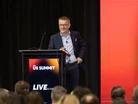
Sustainability in the US is entering a new phase, shaped by global disruption, corporate ambition and evolving regulatory pressures.
At the centre of this shift is Sustainability LIVE: The US Summit, hosted by BizClik in Chicago.
In 2026, the event brought together senior executives across procurement, supply chain and sustainability to address the realities of modern corporate operations.
As the CEO of BizClik – the media company behind titles including Supply Chain Digital, Procurement Magazine, AI Magazine, Business Chief and many more – Glen White has a unique perspective on the evolution of the corporate world.
He positions the summit as a convergence point for global sustainability dialogue and practical action.
“Sustainability is now more of a cross-function, pure corporate collaboration and I think that's what this event is all about,” Glen said at the event.
“The US Summit is the culmination of bringing all of the coverage that we've done in the magazines over the course of the last few months to life.”
Centering sustainability in Chicago
Chicago’s selection as host city is deliberate, reflecting its historical role in industrialisation and supply chain development – the location adds symbolic weight to discussions on reinvention and resilience.
“The US Summit is the US version of what we do around the world, and there is no greater place to do it than Chicago, the industrial heartland of America,” Glen explains.
This industrial legacy now intersects with a pressing need for transformation amid global uncertainty. The global economy faces sustained disruption, driven by geopolitical conflict and energy volatility.
Sustainability leaders won’t want to miss Sustainability LIVE: The Leadership Summit at London Climate Action Week, taking place at Code Node on 25 June 2026.
Register now for this exclusive invite-only event.
Supply chain legacy and future reinvention
Global disruptions are forcing organisations to rethink supply chains through technology and innovation.
“The global economy is currently disrupted with conflict in the Middle East, closure of the Strait of Hormuz, leading to unprecedented high energy costs, oil prices,” Glen says.
“So the supply chain is definitely disrupted. I suppose the elements of what we're covering in Chicago is how the companies that we have on show develop best practice and operational excellence using innovative supply chains, great technology, procurement transformation and AI.

“Then, they deliver a layer across that of how to bring impact and sustainability to their organisation.
“So, there is no better place to showcase that than here in Chicago at the US Summit.”
The summit focused on how companies can embed resilience into operations.
This includes leveraging artificial intelligence, which refers to systems that simulate human decision-making to optimise processes, and advanced procurement strategies.
These capabilities are increasingly tied to sustainability outcomes, particularly in reducing emissions and improving efficiency.
Corporate commitment driving sustainability across US markets
The US sustainability landscape differs significantly from Europe, particularly in terms of regulation and policy alignment.
However, Glen suggests corporate commitment remains strong despite political variation.
“While the administration doesn't seem committed to it, the US companies do seem to be committed,” he says.
This reflects a broader trend in global corporate sustainability, where businesses act independently of government mandates.
Glen adds: “The rhetoric and the optics might change, but the overall message of driving a more environmentally friendly operation – they’re all over it.”
Sustainability is also becoming embedded across organisational functions rather than confined to specific teams.
The future of sustainability is embedded
The summit reflects this evolution by integrating discussions across supply chain, procurement and enterprise strategy. This integrated approach is increasingly seen as essential for long-term resilience and competitiveness.
“We've come to recognise that conferences like this allow executives from across the company's operations to actually collaborate together, and sustainability is now more of a cross-function of making your operations, logistics, supply chain, technology and back office all sustainable,” Glen says.
“Long-term corporate collaboration is what this event is all about.”