Standard Chartered’s Economic Pledge to Help Save The Ocean
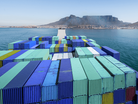
Protecting and facilitating the sustainable use of the ocean is essential not only for environmental resilience but for the future of inclusive global economic growth.
In line with the United Nations Ocean Conference, Standard Chartered recognises the importance of transitioning the blue economy to more sustainable practices.
With an estimated three billion people relying on the ocean for their livelihoods and 90% of Standard Chartered’s markets located in coastal regions, safeguarding marine ecosystems has become a strategic imperative.
The company, a global bank connecting clients, corporate and institutions, is aiming to mobilise finance towards the ocean and a sustainable blue economy – advancing blue finance for economic growth.

The value of our ocean
The ocean holds around 80% of the planet’s biodiversity and plays a vital role in climate regulation.
Despite this, marine health is in steep decline due to pollution, overfishing and climate change.
Alarmingly, ocean conservation efforts remain vastly underfunded, posing significant risks to biodiversity, livelihoods and economic stability.
Standard Chartered is stepping up to address this imbalance through a proactive blue finance strategy.
The company is mobilising capital, forging partnerships and integrating ocean health into its decision-making frameworks.
“The ocean is not just a vast expanse of water, it’s vital for climate mitigation and biodiversity, and a source of livelihoods and economic growth across our markets in Asia, Africa and the Middle East,” Marisa Drew, Chief Sustainability Officer at Standard Chartered, wrote on Linkedin.
Blue finance in action
Standard Chartered acted as sole lender and deal manager in a pioneering debt conversion with The Bahamas, unlocking US$124m for marine conservation across 15 years.
This funding supports the management of 6.8 million hectares of Marine Protected Areas and the development of a national Mangrove Management Plan and Marine Spatial Plan.
The initiative safeguards coral reefs, seagrass meadows and mangrove forests – critical habitats that also act as carbon sinks.
An endowment is projected to reach US$20m by 2039, securing long-term conservation funding.
“Historically, investment into a sustainable blue economy has been a ripple when what we need is a wave,” says Marisa.
Through its membership in #BackBlue, an Ocean Finance Commitment, Standard Chartered is aligning with other major financial institutions managing nearly US$2.7tn in assets.
This initiative focuses on embedding sustainable ocean considerations into financial and insurance decisions.
Standard Chartered is also a member of the Ocean Risk and Resilience Action Alliance (ORRAA), which aims to drive US$500m into nature-based solutions and enhance the climate resilience of 250 million coastal people by 2030.
Beyond finance, the bank contributes to research and thought leadership.
Through collaborations with organisations like the Ocean Impact Navigator and The Earthshot Prize, it identifies investment opportunities in emerging ocean sectors such as sustainable aquaculture and marine technology.
These insights are integrated into internal decision-making and shared across the financial sector to promote best practices and standard-setting for sustainable ocean finance.
Governance and strategy
Standard Chartered’s position statements are informed by international frameworks, national regulations and industry best practices.
Its sustainable finance strategy is guided by ambitious targets, including:
- US$300bn in sustainable finance by 2030
- Net zero in its own operations by 2025 and in its financed emissions by 2050.
These targets reflect the bank’s commitment to integrating sustainability across all business lines, particularly where ocean health intersects with economic development.
“The private sector has a crucial role to play – not just in financing solutions, but in identifying and scaling them,” Bill Winters, Group Chief Executive at Standard Chartered, wrote on LinkedIn.
“Whether through blue bonds or blended finance structures, by investing in the health of our ocean we invest in the long-term stability of global markets, supply chains and communities across our footprint. “
Supporting the United Nations
Standard Chartered’s efforts directly support the objectives of the United Nations Ocean Conference, particularly Sustainable Development Goal 14: Life Below Water.
By redirecting financial flows toward marine conservation, building resilience in coastal communities and advancing inclusive blue economies, the bank is helping to address the ocean funding gap and deliver meaningful change.
The UN Ocean Conference calls for urgent action to reverse the decline in ocean health.
Standard Chartered’s work demonstrates that the private sector, especially financial institutions, has a critical role to play in this transformation.
From capital mobilisation to advocacy, Standard Chartered is proving that sustainable ocean finance is not just possible but essential.
As global attention turns to the ocean’s role in climate resilience and economic sustainability, its actions signal a broader shift in financial systems towards protecting one of Earth’s most valuable and vulnerable resources.
Explore the latest edition of Sustainability Magazine and be part of the conversation at our global conference series, Sustainability LIVE.
Discover all our upcoming events and secure your tickets today.
Sustainability Magazine is a BizClik brand