How is the UK Preventing Forced Labour in Energy?
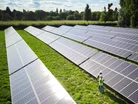
There is a possibility that the legislation, designed to prevent companies involved in forced labour — notably those in the solar supply chains of China — from accessing public funds from Great British Energy, may be diluted.
While the ethically sourced production of solar panels forms a point of contention, the current political undercurrent pushes for the removal of a crucial clause in the energy bill.
Addressing forced labour in the energy sector
Despite international concerns about the use of slave labour in the manufacture of solar panels in China, certain Labour MPs are pushing to eliminate the relevant clause from the energy bill. These panels, which Great British Energy may likely procure, are suspected to be made using Uyghur forced labour, a claim the Chinese government denies.
Labour MP Alex Sobel is championing an amendment that would enable the independent anti-slavery commissioner, Eleanor Lyons, to evaluate if the allegations meet a threshold of credible evidence.
The Business and Trade Select Committee stresses the need to make progress on the UK’s sustainable goals: “It is well evidenced that the renewable sector is heavily dependent on companies sourcing from areas like Xinjiang in China and that forced labour is endemic in the region through involuntary labour transfer schemes.
“The Great British Energy Bill provides an ideal vehicle to ensure that the green transition is not built on the back of contemporary slaves.”
The broader implications of the Great British Energy Bill, conceived to establish Great British Nuclear and enhance Great British Energy, revolve around the UK's ambitious goals for achieving net zero emissions and enhancing long-term energy security. By advancing clean domestic energy production and reducing fossil fuel reliance, the bill aims to bolster energy efficiency and secure the nation’s energy supply.

Although the bill has successfully passed through the House of Commons and is set to be discussed further in the House of Lords, there remains palpable tension around the potential weakening of measures against forced labour, which many fear could undermine the UK’s commitment to ethical energy production.
Political implications and international relations
The controversy surrounding Alex’s proposed amendments extends beyond the chambers of the British parliament. There is a broader international aspect to consider, particularly concerning the UK's relationship with China. Supporters of the amendment, including Helena Kennedy, a Labour peer and barrister specialised in human rights, align with some Conservatives in emphasising the importance of not financing forced labour with taxpayer money.
Alex articulates the stakes involved, "The UK has been crystal clear that the UK will not tolerate slave-made goods and appreciates more must be done to root them out. Great British Energy provides us with the opportunity to not only pursue our green transition but bolster our national security, but only if we are to reduce our dependence on China.
"Ensuring our solar supply chains are free from slavery would also see the UK take a leading position on human rights, as a force for good."
The amendment arrives at a time when the UK is aiming to rebuild trade ties with China, with significant figures such as Chancellor Rachel Reeves and Foreign Secretary David Lammy having recently visited. There are concerns within government circles that emphasising forced labour issues could limit access to essential Chinese-made solar panels, pivotal for the country's renewable energy strategies.
Former Conservative Exports Minister Lord Offord says: “The UK’s Modern Slavery Act 2015 requires companies to take responsibility for their supply chains, yet we know that modern slavery remains a serious issue in the global energy sector, particularly in the sourcing of solar panels, batteries and raw materials such as lithium and cobalt.
“This amendment does not create unnecessary bureaucracy or hinder investment; it simply ensures that taxpayers’ money does not fund exploitation.”
Striking a balance: Ethics and progress
Finding a harmonious solution that upholds ethical labour standards while maintaining vital international relationships and achieving energy objectives is essential. Implementing Alex’s amendment with precise legal frameworks and a transparent process for verifying 'credible evidence' might mitigate risks of arbitrary and potentially damaging decisions.
Introducing a transitional period for companies to adjust and demonstrate compliance with forced labour-free supply chains could allow seamless integration of ethical practices without disrupting the deployment of Great British Energy solutions. This strategy would enable firms to increase energy security, diversify supply sources, and uphold the UK's commitment to human rights and sustainable development.
This dispute underscores the broader challenges and pressures faced by UK supply chains, where maintaining ethical standards in sourcing practices is increasingly vital. If the amendment passes, it could alter the landscape of supply chain management, enhancing transparency and potentially redefining access to critical materials necessary for the UK's energy future.
Explore the latest edition of Sustainability Magazine and be part of the conversation at our global conference series, Sustainability LIVE.
Discover all our upcoming events and secure your tickets today.
Sustainability Magazine is a BizClik brand