Agriculture, Healthcare & Waste: This Week in Sustainability
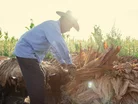

Philip Morris International (PMI) is an international consumer goods company focusing on cigarettes and smoke-free products in the tobacco and nicotine sector.
It has concluded its 2025 Roadmap, introduced in 2020, which aims to create value and operate sustainably, creating a positive impact in its industry.
The company has launched its Value Plan 2030+, outlining its plans to build sustainability through product health impact, circularity and biodiversity.
Sustainability has moved through a cycle of inflated expectations and subsequent disillusionment.
According to Bain & Company, after peaking in corporate priority discussions in 2021–2022, sustainability talk fell down CEO agendas as execution challenges became more visible.
However, recent data suggests that this decline is now bottoming out, with sustainability slowly regaining relevance as a strategic priority.
At the same time, the debate is increasingly shaped by practical execution areas such as EVs, net zero and global supply chains.

McCormick & Company is a global leader in flavour innovation, operating in 29 countries and selling its products across 150 countries and territories.
It has formed partnerships with PepsiCo and the Soil and Water Outcomes Fund (SWOF) to help scale regenerative agriculture across its US supply chain.
The United Nations (UN) Global Compact has showcased McCormick’s journey as a case study, showing how collaboration can make an impact in sustainable food production.
Healthcare inequity and environmental sustainability are increasingly recognised as interconnected challenges for global corporations. Chronic diseases such as heart disease and cancer remain leading causes of death worldwide, yet access to timely diagnosis and treatment remains uneven across populations.
Meanwhile, the pharmaceutical sector faces mounting pressure to reduce its environmental footprint whilst expanding care delivery.
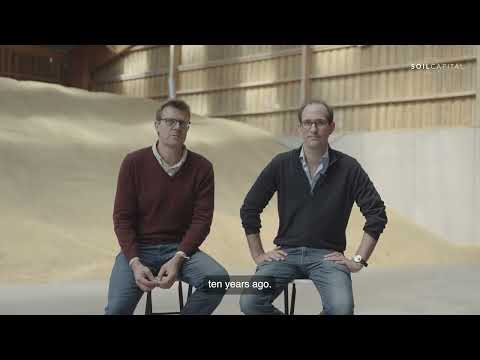
According to the World Economic Forum (WEF), "The combined effects of land degradation and drought costs the global economy US$878bn every year, eroding food and water security, disrupting energy production and supply chains and fuelling instability, forced displacements and conflict around the world."
As pressure mounts on global food systems to decarbonise and build resilience, regenerative agriculture is moving from pilot projects to scaled implementation.
A new four-year partnership between Nestlé and Soil Capital signals a significant step in embedding sustainable practices into mainstream European sourcing.
By aligning environmental outcomes with financial incentives, the collaboration aims to support farmers through transition while strengthening supply chains.
Company portals




Executives

Anita Wälz
Head of Sustainability and Corporate Communications, Nestlé Europe

Chuck de Liedekerke

Jennifer Motles
Chief Sustainability Officer
Kathy Rostkowski
Chief Sustainability Officer

Michelle Weese
Chief Corporate Affairs Officer