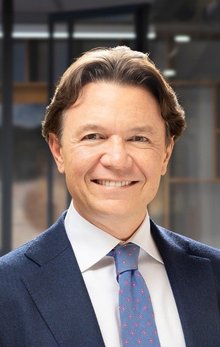
Inside Beko's Reduce–Refurbish–Recycle Programme
Global home appliance company Beko extends its sustainability approach by giving products a second life through its Reduce–Refurbish–Recycle programme.
This circular initiative reduces waste, lowers costs and opens access to reliable home appliances for more consumers.
By keeping usable materials in circulation, the company continues to build its reputation for environmental responsibility and long-term innovation.
Expanding a legacy of quality and circularity
Founded in Istanbul in 1955, Beko has built a strong global presence.
Entering the UK and Ireland in 1990, the brand began by selling only refrigerators. Now it holds a portfolio of 22 brands owned or licensed for use, including Hotpoint, Defy, Hitachi and Altus.

Today, more than 130 countries purchase Beko products, serving more than 400 million customers worldwide.
The company records a consolidated turnover of €10.6bn (US$12.4bn) in 2024, positioning it as Europe’s largest white goods producer. Its growth is built on trust, innovation and product quality, combined with a deep commitment to sustainability.
Beko’s approach links environmental care with affordability, ensuring that households can access efficient, reliable appliances at fair prices. Its product range demonstrates how energy and water efficiency can deliver value for customers while protecting the planet.
The company now advances its refurbishment strategy - a process that transforms used items into as-new appliances to increase circularity and sustainability.
"Refurbishment is one of the smartest ways to reduce waste while delivering the high standards our customers expect," says Beko CEO, Hakan Bulgurlu.
"It’s a clear example of our commitment to building a more sustainable future."
Advancing sustainable operations
The Reduce–Refurbish–Recycle programme applies an integrated system of returns and refurbishment to give appliances a new lifecycle at factory scale. This model transforms returned products into high-quality, second-life items while maintaining performance and safety.
By reintroducing these products to market, Beko prevents valuable materials from reaching landfill and keeps resources in use for longer. The company’s process ensures that refurbished appliances meet the same safety and quality standards as new ones, while being sold at lower prices—often up to 30% below retail cost.
In 2024, refurbishment centres in the UK, Italy and Romania processed over 114,000 appliances. These operations show that sustainability and affordability can exist together. Each centre follows a zero-waste-to-landfill policy, with Beko’s Peterborough site leading by example. The company continues to expand its European network, strengthening its presence in Italy and Romania.
"Refurbishment is about more than repairing appliances - it's about extending lifecycles, reducing waste, and giving consumers access to reliable, affordable products," adds Fatih Özkadı, Chief Sustainability, Quality and Customer Care Officer.
"By investing in advanced refurbishment centers across Europe, we are proving that circularity can drive both sustainability and create value for households, while expanding our program to localize access to second-life Beko appliances through outlet shops and partner routes - ensuring refurbished units are available where demand is highest and consistent quality is maintained across every market."
Beko’s refurbishment sites apply detailed audits and testing to ensure all appliances meet performance expectations. In Peterborough alone, the company holds more than 100,000 spare parts, manages 55 packaging types and carries out high-quality audits on up to 30% of refurbished items. These measures demonstrate Beko’s ongoing investment in operational sustainability and customer satisfaction.
Meeting demand for accessible sustainability
Consumer expectations continue to shift towards sustainability, and Beko’s model addresses these demands directly. The Reduce–Refurbish–Recycle programme begins with customer care - either through engineer visits or remote troubleshooting. When an appliance can be repaired instead of replaced, Beko extends its lifecycle and reduces unnecessary returns.
Products that enter the refurbishment cycle are tested, repaired with quality parts and reaudited to confirm safety and reliability. This closed-loop process supports both the environment and customer confidence, ensuring products are used to their full potential.
European consumers are increasingly prioritising sustainable products, though price often limits access. By offering refurbished appliances at reduced prices, Beko removes that barrier and makes sustainable choices accessible to more households.
In Romania, the company aims to reintroduce more than 75% of returned appliances into use. In Carinaro, Italy, washing machines, dishwashers and other home appliances undergo refurbishment and are resold across Europe at lower prices.
These measures reinforce Beko’s role in creating a circular economy where sustainability benefits everyone. Its strategy not only reduces environmental impact but also strengthens local economies by creating value through re-use.
By giving appliances a second life, Beko proves that sustainability can be practical, affordable and enduring. Through its commitment to the Reduce–Refurbish–Recycle model, the company continues to show how environmental responsibility and business success operate together in harmony.
Company portals

Executives
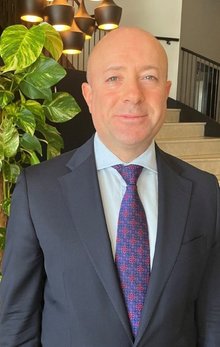
Fatih Özkadi
Chief Sustainability, Quality and Customer Care Officer
Hakan Bulgurlu
Chief Executive Officer