
Co-op & Whole Foods Market: What is Ethical Sourcing?
Non-compliance with due diligence, modern slavery or forced labour laws can result in a variety of consequences including fines, import bans and litigation.
In some cases, investors and lenders expect companies to align with due diligence standards, so ethical sourcing performance is feeding into ESG ratings and debt costs.
Many of the biggest emissions and biodiversity impacts sit in purchased goods, logistics and land use.
Without ethical sourcing that tackles deforestation, high-emission inputs and poor farm or factory practices, net zero and nature strategies could fail in Scope 3.
Ethical sourcing is how an organisation selects, contracts and manages suppliers to make sure every product and service is produced with respect for human rights, fair labour, environmental protection and integrity across the entire value chain.
This can be operationalising international standards like the OECD Guidelines for Responsible Business Conduct and related due diligence guidance inside procurement and supply chain processes.
What makes sourcing ethical?
There are three key dimensions stakeholders can expect to see in ethical sourcing:
- People: No forced or child labour, fair wages and working hours, safe conditions, freedom of association and protection of vulnerable workers and communities.
- Planet: Responsible use of land and water, reduced emissions and pollution, nature protection and alignment with net zero and science-based targets.
- Integrity: Anti-corruption, responsible use of conflict-affected resources, transparency and meaningful stakeholder engagement.
However, there are complexities to putting these in action.
Difficulties in ethical sourcing
Most modern slavery, land-rights and deforestation risks sit in lower tiers of the chain like farms, mines and subcontractors.
The UK Modern Slavery Act explicitly expects companies to map beyond tier one and understand indirect suppliers, not just direct ones.
With finite budget and leverage, leaders need to decide how far down the supply chain is enough and which nodes to scrutinise.
Regulatory backdrops are also moving.
The EU Corporate Sustainability Due Diligence Directive (CSDDD) introduces mandatory human rights and environmental due diligence across value chains, with staged entry into force and potential penalties based on global turnover.
However, this regulation is facing changes from the EU Omnibus proposal.
The EU forced labour ban will become applicable in December 2027 and prohibits the sale, import and export of goods made with forced labor at any stage of their production.
This regulation covers both products made inside and outside of the EU.
Different national laws, such as in Germany, the UK and Australia, are being amended and critiqued with debates about documentation burdens and enforcement strength.
How technology can support sustainable sourcing
Ethical sourcing now relies heavily on supplier data platforms, supply chain risk tools and, increasingly, AI.
Data from small or high-risk suppliers is often incomplete or unreliable, supplier audits can be staged or manipulated and suppliers face survey fatigue from dozens of customer questionnaires.
To combat these challenges, companies are looking to build credible, risk-based assurance systems that combine tech, third-party schemes and on-the-ground intelligence.
EcoVadis assesses companies across four themes: environment, labour and human rights, ethics and sustainable procurement.

Buyers receive a 0 to 100 score and theme subscores that show where suppliers stand.
This can give procurement teams a like-for-like view when shortlisting, awarding or segmenting suppliers for sustainable sourcing.
Sustainable sourcing at Whole Foods Market
With more than 500 stores across the US, UK and Canada, Whole Foods Market has grown from a single store in Austin, Texas to a multinational grocery giant.
It is one of the fastest growers in the US, with sales increasing 40% since Amazon acquired it in 2017.
“At Whole Foods Market, sourcing is rooted in our long-term relationships with farmers, ranchers and producers who align with our high standards for quality, sustainability and ethical practices,” says Sonya Gafsi Oblisk, Chief Merchandising and Marketing Officer at Whole Foods Market.
“We have continued to lead the industry with sourcing standards, including our sustainable wild-caught seafood and animal welfare and the 550+ ingredients we ban across food and beverages, supplements, body care and household cleaning products.
“We do the homework for our customers, and it’s made a difference in how people think about their food and where it comes from.”
Why Co-op dropped 17 countries from its sourcing network
Co-op is dropping 17 countries from its supplier network in a phased withdrawal focused on removing items tied to regions linked with human rights abuses or breaches of international law.
The shift forms part of the organisation's wider ethical positioning under its 'Hate Divides Communities, Co-operation Builds Them' campaign.
The decision has a direct impact on around 100 products, from ingredients used in Co-op’s own-label goods to standalone imports such as Russian vodka and Israeli carrots.
Chair of the Co-op Group Board, Debbie White, says: “This policy, which has been developed over the past year as a part of our 'Hate Divides Communities, Co-operation Builds Them’ campaign, is a clear demonstration of our co-operative values in action, where the voices of our members have been listened to and then acted upon.”
“As a business, we have a long-standing legacy of doing the right thing, supporting Fairtrade and championing ethical sourcing and this policy is a natural progression of this.”
Company portals


Executives

Debbie White
Chair of the Co-op Group Board
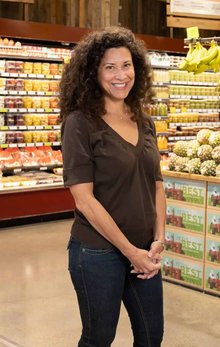
Sonya Gafsi Oblisk
Chief Merchandising & Marketing Officer