How CSOs Choose ERP-Centric, AI Sustainability Solutions
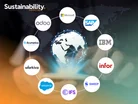
As the big guns of technology double down on cloud-based ERP platforms, Chief Sustainability Officers are under pressure to turn diffuse ESG data into auditable insight, investor-grade disclosures and operational change at scale.
For many, the best solution is now defined by how deeply sustainability tooling sits inside the ERP core, how automation replaces manual workflows and how AI can continuously improve data quality and decision-making.
Microsoft Cloud for Sustainability
Microsoft Cloud for Sustainability builds on Azure, Dynamics 365 and the wider Microsoft 365 estate to give CSOs a single data estate for carbon, water and waste across Scope 1, 2 and all 15 Scope 3 categories.
Its Sustainability Manager offers prebuilt templates aligned to emerging regulations such as the EU’s CSRD, with APIs that push cleansed sustainability data directly into analytics and reporting tools.
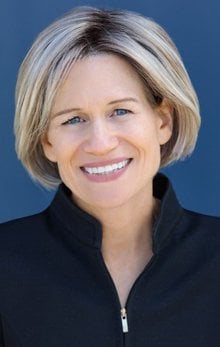
Melanie Nakagawa, Microsoft’s Chief Sustainability Officer, is steering this agenda as the company pursues aggressive carbon-negative goals and positions AI as a catalyst for climate innovation.
Melanie recently ranked in Sustainability Magazine’s Top 250 Sustainability Leaders 2026, read the full list now.
SAP
SAP’s answer is to embed ESG into the digital core of S/4HANA, led by solutions such as SAP Sustainability Control Tower, Responsible Design and Production and Product Footprint Management.
Control Tower aggregates ESG indicators from finance, operations and the supply chain, delivering an integrated view of performance that moves enterprises away from spreadsheet-driven processes.
Under Global Head of Sustainability, Matthias Medert, SAP is pushing a holistic approach that ties net zero ambitions, human rights and responsible AI into the same data-driven operating model.
IBM
IBM is winning attention with its Envizi ESG Suite, which consolidates data from utilities, vendors and internal systems to automate emissions calculations and multi-framework reporting.
A rich library of emission factors and support for multiple disclosure standards make Envizi attractive to CSOs seeking a single system of record for ESG metrics. Chief Sustainability Officer, Christina Shim, is doubling down on AI and hybrid cloud to make IBM “client zero” for its own sustainability technologies.

Infor
Infor’s cloud ERP is increasingly used as an ESG backbone in asset-heavy industries where operational data is already flowing through its platforms.
By automating ESG data collection from energy, workforce, supply chain and compliance processes, Infor helps organisations generate audit-ready reports aligned with frameworks like GRI, SASB and IFRS Sustainability Standards.
Its carbon accounting tools support Scope 1, 2 and 3 tracking and link directly to Science Based Targets initiative-aligned strategies and carbon pricing scenarios.
Sweep
Sweep has emerged as a specialist ESG and carbon platform that complements ERP stacks with powerful data ingestion, modelling and workflow capabilities.
Rated as a top-tier ESG and sustainability reporting solution by Verdantix, Sweep excels in data quality, organisational modelling and auditability, with AI used to streamline complex disclosure processes.
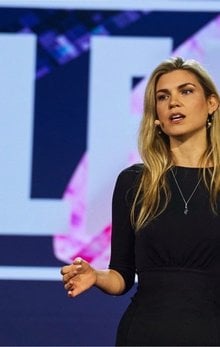
“At Sweep, we’re all about "load your data once, report everywhere," because regulatory frameworks are nothing more than empty boxes that you have to fill in,” says Rachel Delacour, CEO and Co-Founder of Sweep.
“But if you don't have all the stack with the granular information at a very large scale, and able to handle very large volumes of data, you won't go far.
“Sweep is one single place where you connect and collect your data from all sources and transform them into precise carbon emissions calculations. You can also connect your value chain and get consolidated information out of it, so that you can make your sustainability decisions based on this single source of truth. Out of that, you can report on any regulatory frameworks because you have the granularity of data to be able to fulfil all of the different requirements.”
IFS
IFS Cloud embeds sustainability management into service, asset and manufacturing processes, making ESG an operational discipline rather than a parallel reporting exercise.
Its sustainability capabilities support CSRD-aligned disclosures, emissions tracking and the use of Industrial AI to optimise asset performance, reduce waste and cut energy use.
Chief Sustainability Officer, Sophie Graham, leads the company’s own ESG strategy while championing embedded sustainability as a source of long-term value for customers.
Salesforce
Salesforce Net Zero Cloud gives CSOs using the Salesforce ecosystem an integrated hub for carbon accounting, ESG KPIs and supplier engagement.
Executive dashboards track emissions trends, energy intensity, waste and water, while AI helps flag data gaps, estimate missing values and support emissions forecasting toward net zero goals.
Workiva
Workiva has become a go-to platform for integrated financial, risk and ESG reporting, valued for its ability to connect directly into ERP, HRIS and other systems. Its Chains technology automates data collection and calculations (including CO₂e), while templates map information to frameworks such as GRI, SASB and TCFD.
Head of ESG and Chief Sustainability Officer, Mandi McReynolds, is a prominent industry voice on CSRD and due diligence regulation, advocating transparent, accountable reporting practices.

“The Workiva platform transforms siloed data and static docs into connected, validated, actionable insights. Because data should tell a story you can stand behind,” says Julie Iskow, CEO, Workiva.
“Looking ahead, we’ll continue to focus on durable growth, productivity, and of course… our customers.”
Acumatica
Acumatica, a cloud ERP popular with mid-market organisations, is layering in sustainability features that help track carbon footprints, waste, energy use and supply chain performance.
By integrating operational data and offering flexible reporting and analytics, it gives growing companies a practical route to evidence-based sustainability strategies without heavyweight tooling.
Acumatica’s growth vision is often framed around cloud-native innovation, providing a platform that can embed sustainability insights into everyday business workflows.
“2025 wasn’t just another year of business as usual,” explains Acumatica CEO, John Case.
“Fuelled by innovative AI breakthroughs, the pace of change accelerated, where new technologies moved from 'theoretical' to 'essential,' and where the definition of what it means to be a modern business shifted yet again. For small and mid-sized businesses (SMBs), the pressure to adapt has never been higher.”
Learn more at Sustainability LIVE
Executives at Sustainability LIVE can discover the best sustainability and ESG reporting solutions by engaging directly with expert-led workshops, panels and showcase sessions focused on disclosure, regulation and data strategy.

They can benchmark platforms and approaches by hearing how peers use ESG software, frameworks and data to align reporting with strategy and stakeholder expectations.
Networking with sustainability, finance and risk leaders enables them to test ideas, compare vendors and translate regulatory requirements into practical, decision-ready ESG reporting frameworks.
- The Net Zero Summit, 4-5 March, QEII Centre, London
- The US Summit, 21-22 April, Navy Pier, Chicago
- The Leadership Summit at London Climate Action Week, 25 June, Code Node, London
- The London Summit and Awards, 8-9 September, QEII Centre, London
- The Leadership Summit at Climate Week NYC, 21 September, New York City
To express an interest in becoming a sponsor of Sustainability LIVE, click here.





Executives
Julie Iskow
Chief Executive Officer | President

Rachel Delacour
CEO
Sophie Graham
Chief Sustainability Officer