How DHL's ReTurn Network Makes Reverse Logistics Sustainable
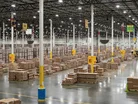
DHL Supply Chain is introducing its DHL ReTurn Network in North America, an initiative designed to improve efficiency and sustainability within reverse logistics. The new facilities from DHL aim to simplify the returns process helping companies of all sizes to cut down on losses and waste.
As a global logistics provider DHL Supply Chain helps businesses to maximise the value of their supply chains. DHL Supply Chain possesses around 1,300 warehouse locations and maintains active operations in more than 50 countries.
The DHL ReTurn Network in North America provides a nationwide multi-client reverse logistics solution created to help businesses manage returns more efficiently and with a greater focus on sustainability. In the past many companies found it more economical to send returned items to landfill rather than trying to repurpose them.

The rising tide of returns
The scale of consumer returns is a major challenge for the retail industry. In 2024 US consumers returned merchandise worth more than US$890bn according to the National Retail Federation.
Processing a return can be a costly endeavour. According to Shopify it can cost from 20% to 65% of the product's original value with refunds and returns processing leading to narrower profit margins. This financial pressure is a key reason why many online shopping platforms have started to introduce returns fees or process refunds at a discounted rate.
The ReTurn Network offers numerous multi-client facilities that have been purpose-built to address this. DHL states that companies could see total savings of from 10% to 50%.
“The launch of the DHL ReTurn Network is a major milestone for DHL,” says Kraig Foreman, President of eCommerce for DHL Supply Chain North America.
“Since acquiring Inmar Supply Chain Solutions, we have systematically integrated DHL’s operational expertise and advanced technology to address the growing complexity and costs associated with returns.”
Improving efficiency and reducing emissions
The ReTurn network consists of 11 purpose-built and strategically positioned facilities that help businesses to implement a complete reverse logistics operation. As each facility serves multiple clients they have the capacity to process returns for a diverse range of customers and product types.
DHL Supply Chain is streamlining the returns processing system by cutting the amount of time spent moving products to individual warehouses. Businesses are no longer required to build extra infrastructure to manage returns demand. Instead DHL's network integrates returns initiators drop-off hosts and direct mail returns into a single system.
A primary environmental benefit of the network is the reduction in emissions. The facilities are strategically located near major distribution centres that reduces transportation time from return points. Consequently vehicles travel shorter distances and deliver returns to a single location rather than multiple warehouses.
“Our national network of shared facilities reduces warehousing, labour and transportation costs while optimising the handling and disposition of returned goods," adds Thomas Borders, Vice President of Operations for DHL Supply Chain North America’s ReTurn Network.
"It also provides customers with greater flexibility for managing fluctuating inventories and warehouse space during times of increased market volatility.”
A commitment to circularity
A key goal of the network is to sort through products to identify saleable goods which can either be restocked by the original business or sold to a secondary seller. This approach is central to keeping items in use for longer.
“Our goal is to keep products in circulation and out of landfills,” Tom adds. “Through proven processes we are able to divert up to 99% of consumer returns from landfills and have kept over 200 million pounds of returned goods from landfills in 2024 alone.”
This is achieved through the use of advanced technology. With the DHL ReTurn Network's purpose-built ReSKU system items are processed in a standardised and faster way. Furthermore DHL provides a remarketing and liquidation service that reduces landfill waste and helps customers to minimise profit loss creating a more circular flow for returned goods.
Company portals

Executives
Kraig Foreman
President of eCommerce
Thomas Borders
Vice President of Operations