DuPont's Sinochem Acquisition: Sustainable Supply Chains

DuPont is expanding its capabilities for reverse osmosis (RO) technologies through the planned acquisition of Sinochem, a membrane manufacturing specialist.
This step could support DuPont’s ongoing sustainability commitments by localising production and improving the efficiency of water purification supply in critical regions.
The acquisition agreement, which is set to close in Q4 of 2025, will add manufacturing facilities in Zhejiang Province, China, giving DuPont a broader base from which to address regional and global water challenges.
Chinese production for DuPont
The integration of Sinochem into DuPont’s network brings a third manufacturing site into DuPont’s portfolio, joining established facilities in Minnesota, US and Jubail, Saudi Arabia.
By securing a local production base in China, DuPont aims to deliver FilmTec water purification elements more swiftly and effectively to customers throughout the Asia-Pacific market.
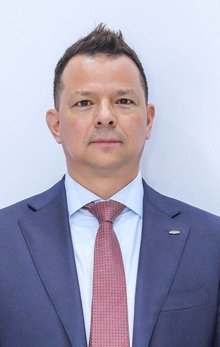
"This acquisition aligns with our strategy to enhance our global manufacturing capabilities for FilmTec RO elements and better serve our customers in China and the Asia Pacific region," explains Jeroen Bloemhard, President of DuPont's Healthcare & Water Technologies segment.
"With an expanded global manufacturing footprint, DuPont remains dedicated to providing solutions that purify and reclaim water sources, particularly in regions facing water scarcity and resource challenges."
Localised manufacturing
DuPont says that the addition of Sinochem is a step towards a more robust and sustainable supply chain.
According to DuPont, the move helps localise the manufacture of FilmTec RO elements closer to target markets, which can result in improved responsiveness to regulatory changes and optimisation of logistics efficiency.
This approach may also decrease lead times and reduce risks linked with international shipping and long-distance supply routes.
The Zhejiang-based site is already established in supplying FilmTec elements, serving both Chinese markets and wider Asia-Pacific demand.
These capabilities may become increasingly valuable as the region experiences rising requirements for advanced water treatment.

Industrial businesses, municipal utilities and food and beverage processors are seeking dependable technologies for water reuse, demineralisation and desalination as part of their own sustainability and operational strategies.
By streamlining supply chains, DuPont could contribute to a lower carbon footprint through reduced shipping distances and more targeted production.
This is important as supply chain localisation is increasingly linked with sustainability outcomes, particularly in regions striving to address water scarcity and efficiency in resource utilisation.
Water treatment and sustainability
Reverse osmosis is as a pressure-driven process for removing salts and dissolved solids from water, which is essential in both industrial and municipal contexts.
Applications range from power generation and food processing to delivering clean water for expanding populations, making RO critical to broader efforts to ensure sustainable water availability and use.
FilmTec, DuPont’s leading RO brand, is known for its high-efficiency membranes.
By moving some production to China, DuPont aims to deliver these elements to customers at a faster pace and with fewer logistical barriers, supporting uninterrupted access to water treatment solutions across the region.
DuPont Water Solutions technologies are already engaged in large-scale purification, purifying more than 50 million gallons of water every minute in more than 112 countries, according to the company's figures.
The product portfolio serves many sectors, including municipal water plants, desalination projects and industrial users such as the microelectronics sector.
DuPont also maintains its priority on developing solutions for the water-energy nexus, addressing requirements in markets such as lithium supply and green hydrogen, both integral to the renewable energy transition.
The integration of the Sinochem site supports this by allowing DuPont to be more flexible and locally responsive as water and energy usage patterns change in key markets.
Company portals
Executives
Jeroen Bloemhard
President, Healthcare and Water Technologies, DuPont