False Autumn: Is Climate Change Impacting the Seasons?
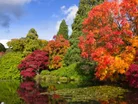
In the UK, leaves began to turn brown and fall before the usual timing in the year.
The Met Office says that this is classed as a false autumn.
This can happen when the stress of extreme summer weather conditions cause trees and plants to behave as if the season have already changed.
The Met Office says that the change in 2025 is due to the extreme dryness and warmth experienced in Spring and Summer.
The Summer of 2025 has been recorded as the hottest on record, with four heatwaves taking place.

Why was the summer warmer?
The Met Office reports that the biggest influence on the change in seasons is the impact of climate change.
The Spring in 2025 was dry, which left the ground parched, and a marine heatwave meant sea surface temperatures were above average, allowing for heat to build up and linger.
Alongside the dry Spring, June and July were reported to have above average temperatures.
The Met Office says that the UK is warming at around 0.25°C every decade.
Mike Kendon, a Met Office Climate Scientist and Lead Author of the State of the UK Climate Report, said: “Every year that goes by is another upward step on the warming trajectory our climate is on.
“Observations show that our climate in the UK is now notably different to what it was just a few decades ago.
“We are now seeing records being broken very frequently as we see temperature and rainfall extremes being the most affected by our changing climate.
“This pace of change and clustering of consecutive records is not a natural variation in our climate.
“Numerous studies have shown how human emissions of greenhouse gases are warming the atmosphere and changing the weather we experience on the ground."
What is the changing seasons' impact on nature?
Extended periods of dry weather can lead to trees entering a survival mode, which can mean the shedding of leaves to conserve water and energy the Met Office says.
John Deakin, Head of Trees & Woodlands at the National Trust, said: “Trees are incredibly resilient – particularly our oldest ones, which have endured centuries of storms, droughts and winter frosts.
“Which is why the conservation of our ancient and veteran trees is so important in the final stages of their long lives as they become more vulnerable to sudden change.
“Despite their potential to span millennia, trees will struggle to survive consecutive summers of searingly hot temperatures and not enough rain.
“The damage to their vascular system and energy reserves is cumulative and may reach crisis point meaning we will unfortunately see more trees starting to decline and die, and they’ll also be more susceptible to pests and disease.”
The impact of changing seasons on wildlife
Unusual weather patterns can mean that synchronised events across the food chain can become unbalanced according to the Woodland Trust.
The Trust reports that insects have begun to appear earlier but birds have not adjusted breeding times, impacting the food supply for chicks during hatching season.
It says that the weather change has disoriented wildlife, with certain species emerging weeks and sometimes months before the normal time, disrupting what is already a fragile ecosystem.
Judith Garforth, Citizen Science Office for Nature’s Calendar at the Woodland Trust, said: “A change in the timing of seasonal events is one of the first and most noticeable responses of nature to weather and climate.
“It’s an early warning to the changes in species abundance and range that may follow.”
What can be expected in the future?
Scientists at the Woodland Trust say that continuous recording of changes in regular nature patterns will provide evidence about the effects of global warming on nature, supporting information to influence policymakers and reduce further climate change.
The Met Office says that the UK is expected to continue to see warmer, drier summers, so early leaf fall will most likely continue alongside other unusual seasonal changes.
However, there is an international movement to slow the effects of climate change and keep the global warming rate to 1.5°C in alignment with terms set out in the legally binding Paris Agreement.
As greenhouse gas emissions slow and some carbon begins to be captured and stored, these changes to the climate could begin to slow.