FIS: Exploring Climate-Related Risk in Supply Chains
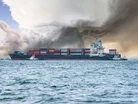
Extreme weather has shifted from rare anomaly to frequent disruptor across global supply chains.
For retailers, climate volatility now threatens day-to-day operations, profitability and customer trust.
Climate-driven shocks
The events of 2024 exposed the extent to which supply chains are vulnerable to climate risk.
The Panama Canal, a critical artery for world trade, saw its lowest water levels on record, jeopardising sailing schedules and driving up costs.
Impacts were widespread elsewhere. Hurricane Helene inflicted more than US$79bn in damage across southern US states, paralysing logistics and manufacturing.
In Asia, Typhoon Yagi closed ports and airports in China and Vietnam, pushing shipments back by more than two weeks and damaging facilities and inventory. Pakistan and Afghanistan endured destructive floods that hit agriculture and transport.
Europe faced record heatwaves that halted factories and decimated crops, while severe flooding in eastern Spain wrecked infrastructure and forced widespread shop closures, affecting nearly half the region’s food producers.
Together, these events show no region or sector is insulated from climate disruption.
Fintech leader FIS is inviting senior supply chain, procurement and risk professionals to take part in a survey exploring the impact of climate change on their operations.
To complete the survey, click here.

The impact on retail and logistics
Retailers are absorbing the immediate fallout of climate volatility.
Flooded warehouses, ruined crops, damaged stock and factory stoppages cascade into operational delays and heavy financial losses. Secondary effects including port congestion, stockouts, price spikes and panic buying add further pressure.
In the US, winter storms and wildfires caused widespread logistics breakdowns and expensive rerouting of flows.
Beyond immediate hits, these events lift insurance premiums, inflate operating costs and erode consumer confidence. According to FIS, the cumulative toll runs to billions of dollars in lost value each year, endangering short-term performance and long-term resilience.
Modelling risk
With climate events growing in frequency and severity, retailers are turning to new approaches to protect operations, with financial technology emerging as a key enabler.
FIS’ newly-introduced Climate Risk Financial Modeler gives retail and supply chain leaders a forward-looking view of risk exposure.
Drawing on global climate data analysed by PwC alongside finance and insurance metrics, the model projects outcomes under multiple climate scenarios. Retailers can simulate the financial impact of severe weather, from facility damage to supply disruption, and test how alternative configurations could change vulnerability.
Critically, the tool delivers regional and site-specific risk insights to help prioritise mitigation.
The FIS Supply Chain Risk Survey is aimed at gathering insights that will help benchmark industry preparedness for future weather-related supply chain disruptions.
Take this opportunity to influence the future of supply chain resilience.