Freeport McMoRan: Technology Making Mining More Sustainable
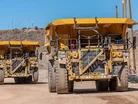
Freeport-McMoRan Copper & Gold Inc. is enhancing haulage efficiency through the rollout of its next-generation Autonomous Haulage (AHS) fleets. The initiative forms part of a broader strategy centred on technological innovation and sustainable development – critical as the company navigates increasing economic, regulatory and environmental pressures.
Despite these challenges, Freeport-McMoRan is advancing seven key innovations that are transforming its mining operations and securing long-term resilience.
Driving operational change
Operating across the globe – with major sites including the Grasberg Mine in Indonesia and operations in Morenci and Bagdad, Arizona, as well as South America – Freeport-McMoRan continues to evolve its mining practices through technology adoption, sustainability integration and community engagement.

By backing these innovations, the company is embedding value-driven change that not only reshapes the mining sector but also strengthens its own operational durability.
As global mines struggle to meet demand amid supply chain fragmentation, forward-looking investment in technology is helping companies like Freeport-McMoRan streamline processes and secure long-term savings. Rising labour costs and the potential for human error continue to challenge large-scale mining, but through AI and automation, operations are becoming more efficient, accurate and productive.
Technological innovations
Three of Freeport’s major initiatives are technology-led, demonstrating clear gains in efficiency and precision.
-
AI-Driven Autonomous Haulage Systems (AHS)
Next-generation autonomous trucks and loaders are now deployed across Arizona and Indonesia. Powered by advanced AI, they optimise ore extraction, route planning and maintenance – achieving optimal speed, fuel management and lower greenhouse gas emissions. Enhanced safety, reduced human error and continuous 24/7 operations are expected outcomes.
These improvements are projected to deliver an 18% increase in haulage efficiency and a 22% decrease in accident rates, while also creating high-skilled tech jobs and boosting workforce safety. -
Advanced Ore Sorting and Process Automation
By utilising AI-powered sensors, X-Ray transmission and automated conveyors, Freeport enhances metal recovery rates and cuts energy and chemical use in extraction. This innovation drives a 20–25% rise in processing efficiency, lowers emissions and waste and supports increased production in line with growing demand.
Smart sensors streamline metal separation, with a 12% reduction in energy per tonne anticipated. The shift also provides opportunities for local tech training and steady employment. -
Digital Twin Modelling and Predictive Analytics
By integrating geological data, sensor feeds and AI-based simulations, Freeport creates digital replicas of its operations. These digital twins support early fault detection, predictive maintenance and scenario testing, reducing downtime by up to 30% and enhancing sustainability. The approach minimises failures and resource waste, while the insights generated could inform optimisation in other industries.
Responsible innovation
Freeport-McMoRan’s remaining four innovations extend beyond the mine, driving environmental responsibility and community impact.
1. Real-Time Environmental Monitoring with IoT and Satellite Data
High-resolution satellite imagery and distributed sensors provide continuous monitoring of air, water and soil around mine sites. This enables proactive environmental management, regulatory transparency and stronger community assurance through real-time reporting platforms.
The system improves pollution prevention, compliance reporting and trust-building with surrounding communities.
2. Integration of Renewable Energy (Solar and Wind) Across Complexes
Freeport has installed solar parks near Grasberg and Morenci, and wind turbines in South America, lowering fossil fuel dependence and cutting operational emissions.
These initiatives are projected to achieve a 30% reduction in fossil fuel use and a 40% carbon cut from energy-related sources – alongside improved air quality, reduced water use and long-term health benefits for local populations.
3. Water Management and Recycling Systems
Closed-loop water recycling and advanced tailings management have reduced total water withdrawal by up to 50%, minimised contamination risks and enhanced local access to clean water.
Freeport estimates a 15% cut in remediation costs and new partnership opportunities for local stakeholders.
4. Community Engagement Platforms and Local Value Chains
Freeport’s engagement platforms foster direct dialogue with communities across Indonesia, Arizona and South America. These tools integrate community input into mine planning, support local supplier growth and training and promote inclusive economic development.
The programme is expected to generate over 1,500 local jobs and supplier contracts each year.