Green Skills Gap: IEA says 60% of Companies have Shortages
According to the International Energy Agency (IEA), a strong investment in energy infrastructure in 2024 drove a 2.2% rise in energy jobs.
This is nearly double the average rate of employment growth in the global economy.
Its World Energy Employment 2025 report details the employment trends in the energy sector, as well as shortages for skilled workers.

What is the World Energy Employment report?
IEA’s World Energy Employment report is the fourth edition in the series which analyses how skilled labour needs and shortages have changed since the first report in 2022.
The data comes from the IEA’s Energy Employment Survey, which gathers responses from more than 700 energy firms, trade unions and educators.
The report reveals that since 2015, the energy sector has added jobs for more than 1.6 million skilled trade workers.
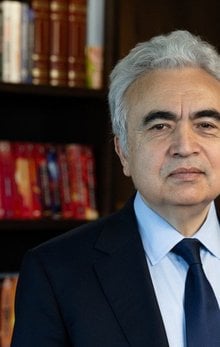
Fatih Birol, Executive Director of the International Energy Agency, says: “Energy has been one of the strongest and most consistent engines of job creation in the global economy during a period marked by significant uncertainties.
“But this momentum cannot be taken for granted. The world’s ability to build the energy infrastructure it needs depends on having enough skilled workers in place.
“Governments, industry and training institutions must come together to close the labour and skills gap. Left unaddressed, these shortages could slow progress, raise costs and weaken energy security.”
The rise in electrification
Since 2020, employment in the electricity sector has risen by 3.9 million, which represents nearly three quarters of all energy job additions.
The electricity sector is now the largest energy employer, overtaking fuel supply for the first time.
These roles include generation, transmission, distribution and storage of electricity.
IEA’s report reveals that the global shift to electrification is changing the nature of employment.
Vehicle manufacturing employment in particular has continued to rise due to the increase in jobs related to EVs, which rose by nearly 800,000 in 2024.
The IEA found that in China, almost 40% of all vehicle manufacturing jobs are linked to EVs and their batteries.
This growth in the electricity sector is related to some workers retraining and shifting roles to meet the shift in the industry, as well as new roles being created in areas such as battery manufacturing and electric equipment installation.
Supply and demand of skilled workers
According to the report, more than half of the firms and unions surveyed reported critical hiring bottlenecks.
These worker shortages are most prominent in applied technical roles, which account for more than half of the energy workforce.
The energy roles in the shortest supply include electricians, pipefitters, electrical power-line workers and engineers.
The IEA says that a country’s ability to maintain energy security, expand grids, scale clean energy or attract investment depends on having the right workforce in place.
Its survey found that around 60% of companies reported labour shortages.
However, the report shows that retraining and reskilling existing energy workers can help fill some of the skilled labour gaps.
The IEA says that around two thirds of oil and gas supply workers have the basic skills needed to move into other areas of energy.
What can policymakers do?
The IEA’s Energy Employment Survey shows that training costs, lost wages and low awareness of programmes are the main barriers to entry for energy-related training.
It says that policy changes can be vital to help attract more workers into the needed education and training.
The most effective policy responses include financial incentives, apprenticeships and campaigns promoting vocational energy careers.
Energy firms are also engaging directly with educational institutions to help address skill gaps by sponsoring students or providing training for specific roles.
According to the report, competitive wages is also a key factor in skilled worker retention.
Oil, gas and nuclear offer the highest pay in the energy sector, which reflects higher skill requirements, with energy-specialised roles paying more competitively.
Company portals

Executives
Fatih Birol
Executive Director