Global Warming: Why Data Centres Must Adapt for Resilience
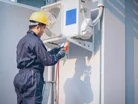
With countries like the UK experiencing heatwaves in 2025, climate modelling research predicts that much higher and unsustainable temperatures are possible.
As climate change threatens to continue impacting countries that are unprepared for such heat, industry leaders are calling for greater conversations over infrastructure development to support – or prevent – a fast-changing climate.
Particularly for the data centre industry, a hotter climate leads to a greater need to cool systems down, which results in higher energy costs for data centre operators and contributes to overall energy consumption and greenhouse gas emissions.
“The issue for us is that European infrastructure simply was not built for this [heat],” explains DP World Vice President of Sustainability, Nicholas Mazzei, via LinkedIn. “Most European data centres built pre-2019 assumed only a few days per year above 30 °C and of that, only a peak of up to 1-2 minutes above 32°C.
“In 2022, 40°C heat shattered cooling thresholds at UK and German sites. I was working in Berlin in 2022 for another company when many of us lost service on our work laptops in the 40°C heatwaves as data centres failed.”
The climate crisis' impact on supply chains
The environmental impact of extreme weather has the potential to be huge.
DP World’s climate crisis impact study in September 2024 revealed that US$81bn of global trade and at least US$122bn of economic activity faces annual risk from port and terminal disruptions caused by climate extremes.
Additionally, the report suggested that indirect vulnerabilities span infrastructure networks including roadways, rail systems, emergency response resources and water supplies.
- US$81bn of global trade at risk annually
- US$122bn of economic activity is at risk annually
- Flood risk to increase after 2050 – 50% of the current risk is driven by wind
Climate hazards disrupting any of these support systems could lead to business planning interruptions, with the report highlighting that supply chain delays could bring about further socio-economic disruptions.
DP World’s assessment found total climate risk remains stable until 2050 across all scenarios. However, after 2050, the scenarios diverge more significantly.
“As we decarbonise our operations and contribute to mitigating global temperature rise, we also understand the need to proactively prepare for climate risks that the trade sector may be susceptible to in the future,” Maha AlQattan, former Group Chief Sustainability Officer at DP World, said in the report.
“Our Global Asset Resilience Study offers a scalable first step to building collective resilience across the trade value chain.”
The mission-critical role of data centre operators
Data centres are relied upon worldwide for their consistent operations and delivery of data.
If cooling fails and their systems overheat, essential services can go down and inevitably disrupt connectivity and critical supply chains.
Likewise, extended heat pressure on a facility puts inevitable pressure on cooling units, which could make them more likely to fail.
“Older sites may need upgrades,” Nicolas says.
“Much of our infrastructure was built decades ago, before the real impacts of climate change became material. We need to be considering physical climate risk as a much more serious topic.”
Crucially, data centre operators are looking at their own environmental impact, with Morgan Stanley stating that data centre carbon emissions are set to triple by 2030 on account of AI and emit 2.5 billion tonnes of CO₂.

To combat this and strengthen data centre resilience, Nicholas suggests:
Audit Cooling Limits: Check the maximum ambient temperature that your infrastructure is built to handle and compare to recent peak temperatures and future projections.
Map Vulnerabilities: Assess heat risks at all sites (including partners) and identify weak links in cooling or power in extreme heat.
Upgrade & Adapt: Retrofit as needed, whether that includes adding additional cooling, improving airflow or upgrading controls. He also suggests implementing heatwave emergency plans and setting higher thresholds for new builds.
“Data centre resilience is as crucial as trucks and warehouses in protecting your supply chain,” he advises.
“With extreme heat now routine, reinforce your digital and physical infrastructure to prevent outages and ensure business continuity.”
Explore the latest edition of Sustainability Magazine and be part of the conversation at our global conference series, Sustainability LIVE.
Discover all our upcoming events and secure your tickets today.
Sustainability Magazine is a BizClik brand