How Amazon & Unilever Embrace Consumer-Driven Sustainability
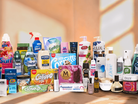
Consumers find sustainability an impacting factor when shopping, according to Deloitte’s 2024 Sustainable Consumer survey.
With 68% of the UK consumers reducing food waste within the last year.
Deloitte found that the top five most valued sustainable and ethical practises for consumers are:
- Producing sustainable packaging and products
- Reducing waste in manufacturing processes
- Committing to ethical working practices
- Respect to human rights
- Reducing carbon footprint
Emily Cromwell, Climate Change and Sustainability Lead, Deloitte says: "The surge in consumers opting for refurbished goods and repair services is already having a significant impact on the sector, forcing businesses to innovate, creating new models that prioritise sustainability and resource efficiency.
“Businesses who unlock value this way will also respond to growing interest from the market.”
Amazon’s Climate Pledge Friendly programme
Amazon has created a programme that is dedicated to encouraging customers to make more sustainable purchases.
It reports that products involved in the programme are given more visibility and see an average of 12% sales increase in the first year.
The company currently offers more than 2.2 million Climate Pledge Friendly products and is only planning to expand globally.
To enrol, a product must have at least one sustainability feature validated by one of more than 50 reputable and transparent certifications.
Certifications that are part of Amazon’s Climate Pledge Friendly programme include Fair Trade Certified, Nordic Swan and Rainforest Alliance.
Andy Jassy, CEO, Amazon says: “The effects of climate change are becoming more and more apparent in our surroundings and daily lives, and we firmly believe that the private sector must continue to innovate and collaborate across regions and industries in order to decarbonise the global economy at scale."

The 100% Group's advice on sustainability
The consumer mindset has changed and now we are seeing people of all ages valuing products that have a more sustainable background, the 100% Group reports.
The group says that brands need to start thinking about the long term view of the project before it starts, working with suppliers to ensure the carbon footprint of the project is at a minimum.
With a system in the company’s Signatory Handbook saying: "Take action to reduce greenhouse gas emissions across the value chain, including engagement with stakeholders such as policymakers and other actors to address the sectoral barriers to transition.
“This should be consistent with the Paris Agreement’s goal of limiting global average temperature increase to well below 2°C above pre-industrial levels, aiming for 1.5°C. Notably, this implies the need to move towards net zero emissions by 2050 or sooner."
How can advocating for sustainability result in a successful business
Unilever is a great example of a business that has built off the back of its strong sustainability goals.
As one of the largest global consumer goods companies, providing 3.4 billion people using its products everyday.

The company owns household name brands such as Hellmann’s, Dove, Ben and Jerry's and many more.
Unilever says that it has been driving an ambitious sustainability agenda for over two decades, it is now focused on delivering consistent and competitive performance whilst achieving sustainability goals.