How is Hitachi Energy Leading the Energy Transition?
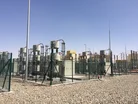
Investment in clean energy is on the rise, while investment in fossil fuels is starting to decline, according to the International Energy Agency (IEA).
This shift is reflected in the energy industry, with many companies prioritising the environmental impact of energy and looking at renewable alternatives.
One company leading the change to electrification is Hitachi Energy, which employs more than 50,000 people in 67 countries across the world.

Hitachi Energy’s sustainability report
Hitachi Energy is a global technology leader in electrification that aims to power the world’s energy system to be more sustainable, secure, resilient and affordable.
It has released its 2025 sustainability report which details its progress towards its environmental goals.
Its overall target is to be net zero across its entire operations and value chain by 2050.
Hitachi Energy aims to achieve 80% reduction in Scope 1 and 2 absolute carbon emissions and a 55% reduction in Scope 3 emission intensity by 2030.
Its plan involves sourcing fossil-free electricity in its operations, reducing energy use in its factories and maximising energy efficiency in its products.
Alicia Argüello, Global Head of Sustainability at Hitachi Energy, says: “By pursuing net zero emissions, we are not just meeting today’s challenges, but helping build a more resilient, renewable future starting from our own operations.
“Together, we can transform ambition into action, ensuring a thriving planet for generations to come.”
Circularity in the value chain
In order to preserve resources and maximise the potential of materials, Hitachi is working towards a circular economy.
It aims to minimise pollution, waste and the use of resources in all of its operations.
This helps to reduce the environmental impact of its products along their lifecycle, which protects the planet and can prove how sustainability can help drive profits.
It considers eco-design for all newly designed and developed products and includes circular practices in its research and development process.
Hitachi is committed to creating resource-efficient solutions by implementing the 5R principles: rethink, reduce, reuse, repair and recycle.
It encourages its suppliers, manufacturers and stakeholders to apply these principles to their operations, to help reduce emissions and preserve the lifespan of products across the value chain.
Hitachi Energy has developed EcoSpace which is a digital platform for measuring, reporting and improving sustainability across energy infrastructure projects.
It uses data to deliver transparent insights that help create better and more informed decisions across a project’s lifecycle.
Andreas Schierenbeck, Chief Executive Officer at Hitachi Energy, says: “The decisions we make today will shape our world for centuries to come.
“For society, electricity powers industries and people, underpinning innovation, manufacturing, production, services and, ultimately, prosperity and progress for communities everywhere.
“For our planet, electricity serves as our main source of cleaner, renewable power, reducing emissions and accelerating the energy transition for a more sustainable future while meeting increasing demand.”
Preserving biodiversity
Hitachi Energy is focused on protecting biodiversity, which is a vital part of sustainable development.
It has worked on developing an internal methodology to help understand the impact and dependency on nature.
It has evaluated direct pressures on biodiversity from its operations, including the impact on air, water and soil.
Through its assessments, Hitachi Energy found that none of its sites exceeded environmental thresholds or raised material concerns.
It is also committed to reviewing its impact on habitats and species across its value chain.
“Sustainability is at the heart of our strategy and portfolio,” Alicia says.
“It drives how we innovate, collaborate and deliver value – creating resilient solutions that meet today’s challenges and anticipate tomorrow’s needs.”
Company portals
Executives
Alicia Argüello
Global Head of Sustainability
Andreas Schierenbeck
Chief Executive Officer of Hitachi Energy