How is The LEGO Group Scaling Carbon Removal Projects?

In addition to its focus on paper-based packaging, the LEGO Group is working on reducing its emissions, through carbon removal partnerships.
The company has announced the expansion of its carbon removal portfolio, on the journey to reaching its global climate goals.
It plans to invest DKK 18 million (US$2.78m) to four carbon removal projects in partnership with Climate Impact Partners and ClimeFi.

About LEGO’s carbon removal projects
This new investment builds upon the LEGO Group’s carbon removal initiatives, which it launched in 2024.
It takes its total investment into carbon removal to DKK 54 million (US$8.3m).
The LEGO Group is expanding its portfolio of existing technology-based carbon removal solutions with ClimeFi through three new projects.
Each project features an emerging carbon removal approach:
- Biomass geological storage – uses slurry injection technology to store carbon-rich organic waste underground
- Mineralisation – converts carbon dioxide into manufactured limestone using reactive waste materials, creating useful building materials
- Marine carbon dioxide removal – removes carbon dioxide through wastewater alkalinity enhancement, which allows carbon to be stored in the oceans.
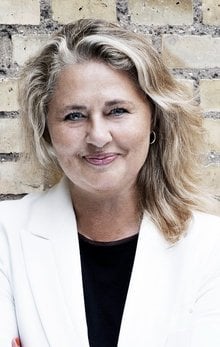
Annette Stube, Chief Sustainability Officer at the LEGO Group, says: “This purchase highlights our commitment to testing a broad range of credible pathways for nature and tech-based carbon removal.
“As the programme expands, it is helping to strengthen our understanding of different approaches and inform future decision-making on how carbon removal may complement our wider climate goals.
“While reducing emissions in our own operations remains our priority, this programme allows us to work with expert partners and contribute to solutions that may help scale effective climate action over time.”
Funding carbon removal in Mexico
The LEGO Group is also expanding its support for large-scale reforestation projects, in partnership with Climate Impact Partners.
This project is located in Quintana Roo State, Mexico, which allows the LEGO Group to support carbon removal projects in countries where it has a local presence, with its manufacturing site in Mexico.
The Quintana Roo Restoration project, which is developed by Canopia Carbon, aims to restore degraded tropical forest across more than 14,000 hectares of land.
This plan is to be achieved through activities such as tree planting, species recovery, fire prevention, community management programmes and long-term monitoring.
The restoration project contributes to biodiversity protection, as well as delivering social benefits for local communities, with more than 20% of its budget allocated to job creation and income generation.
Sheri Hickok, CEO of Climate Impact Partners, says: “We are proud to continue our partnership with the LEGO Group, delivering high quality carbon projects that drive meaningful outcomes for climate, biodiversity and communities.
“The LEGO Group’s approach highlights how companies can partner with experts to build robust, credible climate strategies that translate ambition into action.”
LEGO’s wider sustainability goals
These carbon removal projects build upon the LEGO Group’s sustainability performance.
In 2025, the company saw a fall in emissions relative to its revenue.
It expanded its use of solar energy, invested in geothermal energy developments and explored renewable energy power purchase agreements, with the aim to reduce the carbon emissions from its global operations.
Niels B Christiansen, CEO of the LEGO Group, says: “We are deeply committed to having a positive impact on the world and the communities we are part of.
“We do this by aiming to reduce our environmental footprint and improving access to play for kids who need it most and we will continue to invest significantly to deliver on that ambition.”
Alongside its carbon reduction progress, the LEGO Group increased the amount of renewable and recycled content in the materials purchased to make LEGO bricks, going from 33% in 2024 to 52% in 2025.
The company increased its total sustainability investments by 20% compared to 2024, enabling it to progress towards its target to use more sustainable materials for bricks and packaging.
Company portals


Executives
Annette Stube
Chief Sustainability Officer
Niels B. Christiansen
CEO
Sheri Hickok
Chief Executive Officer