UK Environment Agency: UK Serious Water Pollution Up 60%
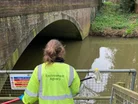
Factories, industries and agriculture all have a direct impact on water accessibility and pollution.
The UK Environment Agency (EA) has found in a new report that serious pollution incidents were up by 60% in 2024 from the previous year.
The EA’s report shows a consistent poor performance across all nine water and sewerage companies in the region – linking to the 60% rise.
An environmental assessment
The EA is responsible for all pollution incidents, ranking them based on categories: 1 (major) and 2 (significant), the most serious.
The government department found that in 2024, 75 category 1 and 2 incidents were reported – an increase from 47 serious incidents the previous year.
It was discovered that 81% of these serious events were the responsibility of only three companies:
- Thames Water - 33 incidents
- Southern Water - 15 events
- Yorkshire Water - 13 occurrences.
The EA has found that all pollution occurrences (categories 1 to 3) have increased by 29% – 2,801 events, up from 2,174 in 2023.
Data from 2022 shows that only 47% of surface water wasn’t at risk of deterioration and 53% of ground.
Water pollution destroys aquatic habitats, reduces species diversity and can trigger eutrophication, an excess of nutrients causing harmful algal blooms and oxygen depletion (dead zones) in lakes and rivers, according to Iberdrola.
This loss of biodiversity weakens ecosystems' ability to provide essential services like water purification, flood control and carbon sequestration.
Impacting the environment
The EA states in the report that it is "particularly concerned” about the increasing trend in pollution spills from pipes carrying wastewater uphill.
The reason for the concern is due to them accounting for 20% of the serious incidents in 2024 – causing impact on protected waters for both wildlife and swimming.
Pollutants accumulate in aquatic organisms and move up the food chain, threatening food security and safety, Iberdola found.
Use of polluted water in agriculture can introduce toxins into human and animal food supplies.
Last year, the EA carried out more than 4,000 inspections of water company assets.
After conducting more inspections, the EA has discovered that there was an increase in non-compliance – 24% of sites breached their permits.
Also found in a Government blog by Helen Wakeham, Director of Water, only 14% of rivers were found to achieve good ecological status.
The Government report states that: “The EA is clear that none of these factors, including wet weather, can excuse the unacceptable number of incidents last year and water companies must meet their legal obligations to the environment and communities or face enforcement action.”
“This report demonstrates continued systemic failure by some companies to meet their environmental targets,” says Alan Lovell, Chair of the Environment Agency.
“The water industry must act urgently to prevent pollution from occurring and to respond rapidly when it does.
“We have made significant changes to tighten our regulation of the water industry and ensure companies are held to account. With a dedicated larger workforce and increased funding, our officers are uncovering and acting on failures to comply with environmental law.”
The future for water regulation
In an EA expectation report the Water Industry Strategic Environmental Requirements (WISER) guide, it states that the organisation expects zero serious incidents by 2025.
However, with recent news, it is evident that some companies are failing to meet these targets.
Under the Water (Special Measures) Act, the EA will have greater powers to take swift action against polluting companies, allowing them to close the justice gap and ultimately deter illegal activity from happening in the first place.
It comes as last week, Defra confirmed an £189m (US$254.4m) uplift for the EA’s water regulation, coming from charges paid by the sector rather than the public purse.
This represents a 64% increase in funding since 2023/2024.
So far, the EA is on track to deliver 10,000 inspections of water company assets next year and will continue to work closely with government and fellow regulators to hold companies to account so they deliver the environmental improvements for communities and wildlife.