How RecycleMe is Navigating California’s new EPR Regulation
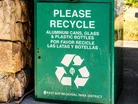
California’s packaging rules are changing quickly. Permanent regulations enacted by Senate Bill 54 (SB 54) are set to take effect.
The rules establish an extended producer responsibility (EPR) system for single-use packaging and plastic food containers.
The California-based Circular Action Alliance (CAA) oversees the Plastic Pollution Prevention and Packaging Producer Responsibility Act, which requires companies to pay for recycling infrastructure instead of local governments.
By 2032, companies must cut single-use plastic packaging by 25% and meet recycling and composting goals.
"[For] SB 54, the standard thinking and talk on this, it is unlike any EPR for packaging scheme in the world,” says Jason Bergquist, CEO at RecycleMe North America, in a recent webinar.
“The idea is that the Circular Action Alliance, as a producer responsibility organisation in charge of making SB54 work, is responsible for meeting these goals: that by 2032, there's a 25% reduction in plastic packaging.”
Strict compliance pathways
Producers had to meet a compliance deadline by 1 June 2026. They could join the CAA, register to comply with SB 54 on their own or claim an exemption if their California sales were under US$1m.
After this, they needed to submit a baseline report using 2023 data by 1 July 2026.
One of the most complicated parts of the regulation is the individual source reduction plan, which is due by 1 August.
Producers have five ways to meet these targets: reuse and refill, eliminate plastic completely, switch to non-plastic materials, right-size or make packaging lighter and use post-consumer recycled (PCR) content.
“The idea is that an obligated producer has to put forth this plan by 1 August that demonstrates how they, an individual producer, intend to go about meeting these guidelines,” Jason explains.
“It's not just a 25% reduction by 2032. There are two benchmarks along the way. The first being a 10% reduction by 2027 and a 20% reduction by 2030.

“There are five source reduction pathways that a producer can avail themselves of to get there. The first is reuse/refill. The second [is] elimination: remove the plastic entirely. The third, switch to non-plastic materials. The fourth, right sizing. And last, the post-consumer recycled content.
“Interestingly enough, right now in the regulation, the allowance that a producer can take for that is capped at 8%. So even if you make your packaging 100% PCR, you can only use 8% of that in your calculation.”
There are also challenges for industries such as cosmetics, where safety regulations make it difficult to reuse containers.
Sales and data hurdles
Preparing the data is difficult because the baseline formulas do not account for sales growth. If a company sells more products, its progress in cutting plastic could be cancelled out.
There is some financial help through an eco-modulation system, which allows producers to claim credits for plastic reductions made between 2013 and 2022 to avoid certain base fees.
- 2026: Join a producer responsibility organisation or register as an independent producer
- 2027: 10% reduction. First staged source-reduction target
- 2030: 20% reduction. Recycling rates climb alongside it
- 2032: 25% reduction with 100% recyclable or compostable materials
"There is a ton of synergy between what you have to collect, the data required, the information required for FPR for federal plastics registry and California's SB 54 plastic components requirements," Jason notes.
Shifting focus to strategy
As a result of SB 54, businesses need to shift from just meeting deadlines to creating long-term strategies, Jason explains.
"What we specialise in is being able to move from reaction to planning," he says.
Jason emphasises being accurate when drafting company plans. "You want to be not overly aspirational in putting forth what you intend to do. You want to be realistic."
Company portals
Executives
Jason Bergquist
CEO RecycleMe - North America