IEA Report: Electricity Demand Set To Rise By 3.7% in 2026
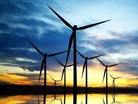
Fossil fuels are the largest contributors to global climate change, so reliance on fossil fuels needs to end and countries to invest in renewable energy, says the United Nations.
The United Nations provided five key reasons to invest in renewable energy:
- The sources are based in every country
- It is cheaper
- It’s healthier for the planet and people
- Can create more jobs
- New technology makes more economic sense
The International Energy Agency (IEA) released its mid-year energy report, entailing that electricity demand is set to rise by 3.7% globally in 2026.
Keisuke Sadamori, IEA Director of Energy Markets and Security says:“The growth in global electricity demand is set to remain robust through 2026, despite an uncertain economic backdrop.
“The strong expansion of renewables and nuclear power is steadily reshaping electricity markets in many regions.
“But this must be matched by greater investment in grids, storage and other sources of flexibility to ensure power systems can meet the growing demand securely and affordably.”
Key takeaways from the IEA report
The growth rate for electricity has dropped by about 1% compared to 2024, but IEA says it is still some of the highest rates observed over the past decade.
Although there has been a slight decrease, strong demand from industries for air conditioning, data centres and electrification are expected to support the growth of electricity use in 2026.
Renewable energy is anticipated to be the world’s largest source of electricity by the end of 2025, overtaking the use of coal.

Carbon dioxide emissions from electricity are expected to begin a slight decline starting in 2026, with the increased output from nuclear power and gas-fired power generation in 2025.
China and India are expected to increase global electricity consumption by 60% by 2026, with the US growing to more than 2% and the European Union (EU) set to have a steady growth of 1%.
The IEA continued to report that electricity prices will vary across regions with the EU prices being double of the US and even higher than China, which continues to challenge the competitiveness of energy-intensive industries in the EU.
Gwenaelle Avice Huet, Executive Vice President, Europe Operations at Schneider Electric says: “The findings from the IEA report makes one thing clear: the world is becoming more electric.
“Electricity demand is set to rise by 3.3% in 2025 - more than twice the growth rate of total energy demand.
“At the same time, renewables are on track to become the world’s largest source of electricity.”
What is the EU doing to boost electrification?
The European Environment Agency reports that scaling up renewable electricity sources across the EU could reduce electricity generation costs, improve energy independence and support the transition towards a clean industry.
The EU aims to raise the use of renewable energy to 42.5% by 2030 taking on various projects to meet this goal:
- Introducing the REPowerrEU, accelerating the clean energy transition and reducing the dependence on fossil fuels
- A temporary emergency regulation was placed in 2022 to speed up the permit granting procedures on renewable projects
- An increase in the production of offshore renewable energy with the aims to produce more than 60GW of electricity by 2030
- The blue energy action plan, which includes energy generated by waves, tidal ower, thermal energy conservation and salinity gradient power
Ursula von der Leyen, President of the European Commission said at the Summit on the Future of Energy Security “If we deliver on the collective goals we set at COP28, this will help.
“If we triple renewable energy and double energy efficiency, we will bring reliable and affordable energy to millions more around the world.
“Because clean homegrown renewables not only strengthen our resilience, they of course also spur new jobs and more innovation within our own economies.
“As our energy dependency on fossil fuels goes down, our energy security goes up. That is the lesson we have learnt in Europe.”
Schneider Electric is based in Europe and provides world leading expertise in electrification, automation and digitalisation.
The company aims to enhance smart industries, resilient infrastructure, data centres and homes.

Gwenaelle says “The challenge isn’t just generating more green energy - it’s keeping pace with a continent that’s heating up and using more power than ever before.
“Without urgent grid investment, we risk wasting the full potential of renewables, the world’s cheapest form of energy.
“In 2024 alone, Europe wasted €7.2 billion worth of clean power due to outdated grids and limited capacity.
“To secure its energy future, accelerate the energy transition, and stay globally competitive, Europe must double down on clean energy.
“A resilient, decarbonised future can only happen with a smarter grid.”