
About Codelco: How Can Mining Be Sustainable?
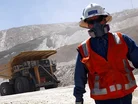
The UK parliament reported that each year more than three billion tonnes of metals are produced globally and most predictions of demand show increasing consumption of metals in the coming decades.
The mining of metals is widely deemed not useful on the road to a net zero future.
But the world economic forum reports that batteries could enable a 30% reduction in carbon emissions in both transport and power sectors.
Mining is essential in extracting the raw materials to create batteries, such as the copper that Codelco mines that goes into lithium-ion batteries.
Global Battery Alliance Co-Chair Benedikt Sobotka says “Batteries are key to decarbonising road transportation and supporting the transition to a renewable power system,
“They can also ensure more value is generated out of them while in use, and harvested at the end of their life.”
More about Codelco
Codelco is based in Chile and is the world's leading producer of copper mines and a leader in mineral reserves worldwide .
The company started its first operation in 1976 but has roots back to 1905 when its first mine opened.
Codelco is a state funded project, being established through various government actions.
Last year the company produced more than 1.3 million tons of copper, making more than US$5.4bn.

What is the purpose of Codelco’s mines?
Codelco carries out operations through seven mining divisions.
The company's largest production is mining 289 thousand tons of metric tons of fine copper.
The business says it is dedicated to creating the highest amount of surplus for Chile and its citizens.
Máximo Pacheco, Chairman of the Board of Codelco said at a Global Metals, Mining and Steel Conference: “We are actively building the Codelco of tomorrow through the strategic development of our mineral reserves to sustain operations for the next fifty years.
“Through ongoing structural projects and key partnerships in the copper and lithium sectors, we are unlocking invaluable growth opportunities, positioning ourselves as a critical player in the global energy transition.”
What is Codelco doing to be more sustainable?
Codelco has six main commitments in its sustainability targets for 2030 which include:
- To reduce greenhouse gas emissions by 70% - the company will implement 100% of clean energy matrix and replace all underground mine production and logistics with electrical equipment.
- Reduce units of consumption of inland water by 60% - Coldeco will incorporate a desalination plant for the Northern District, utilising water from its reservoirs.
- The company will recycle 65% of its industrial waste, ramping up the recycling efforts for primary, non hazardous industrial waste such as steel, wood, packaging materials, organic waste and scrap metal.
- Tailings storage facilities with 100% world class sustainability measures in place.
- The company will broaden the supply of goods and services provided by local suppliers by 60% and increase the use of the local workforce.
- Cadelco will reduce airborne particulate matter by 25%, incorporating modern technologies in dust suppression and an adverse weather condition detection system.
“We have set ourselves ambitious targets for 2030 for Scope 1 and 2 and mining trucks account for 70-80% of our Scope 1 emissions.
“Like everybody else we are looking at the electrification of those trucks – but that is not something we are doing by ourselves.” says Pablo Contreras Silva, Codelco’s Head of Climate Action.
“Scope 3 is something not just us but the whole industry faces as it relates to the whole value chain.
“In Codelco’s case, Scope 3 accounts for 65% of our total emissions so it is something we need to address and we are doing that through various initiatives.”