London's ULEZ Shows 40% Drop in Air Quality Deaths
Deaths linked to poor air quality in London dropped by approximately 40% between 2019 and 2024 following the expansion of the Ultra Low Emission Zone. The zone now covers areas where over nine million Londoners live.
According to Imperial College London's Environmental Research Group, the independent analysis connects cleaner air policies to fewer pollution-related fatalities. The findings could mean that stricter emissions controls deliver measurable health outcomes within a five-year period.

Pollutant concentrations drop across capital
Fine particulate matter decreased by 28% during the study period. Nitrogen dioxide concentrations fell by 41%.
According to the research, fine particulates penetrate deep into the respiratory system. The pollutants are linked to impaired lung development in children, increased lung cancer risk and higher rates of cardiovascular disease.
Updated methodologies show that long-term exposure to urban emissions poses a greater health risk than previously estimated. Revised data indicate that annual premature deaths fell from 6,400 to 8,000 in 2019 to 3,800 to 5,100 in 2024.
The findings reinforce connections between poor air quality and conditions such as dementia, type two diabetes and childhood asthma. The health impacts extend beyond respiratory conditions alone.
Healthcare system sees fewer admissions
Previous data from Imperial College London found that anti-pollution measures led to a 9.3% reduction in emergency hospital admissions for cardiac conditions. Overall admissions for all medical conditions within the ULEZ declined by 5.1%.
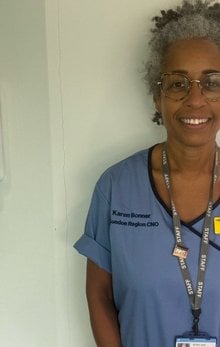
According to Karen Bonner, Chief Nurse for the NHS in London, the data shows that sustained action to tackle air pollution saves lives. She says: "Thousands of Londoners are now living longer, healthier lives because the air they breathe is cleaner."
Karen adds that children with asthma, elderly residents and those with respiratory conditions are among those who benefit most.
"There is still more to do, but this data shows that sustained, evidence-led action to tackle air pollution saves lives and we are committed to continuing to work alongside the Mayor and our partners to protect the health of every Londoner," she says.
The reduced admissions could ease pressure on the UK's National Health Service. The environmental improvements have had a measurable effect on the health of the city's population.
Legal limits reached faster than expected
Mete Coban, Deputy Mayor of London for Environment and Energy, spoke at the Climate Group's Opportunity Summit as part of London Climate Action Week on 23 June ahead of the publication of the data.
He celebrated progress made on London's air quality but added there was still work to do.
"When the mayor first got elected in 2016, experts and scientists told him it would take 193 years for us to reach the legal air quality limits here in London. We've done it in just nine years," Mete explains.
He says the city cleaned its air in nine years but remains committed to WHO guidelines. "Climate change doesn't impact everyone equally. It impacts those who've done the least to cause the crisis in the first place," Mete says.
He adds that half a million people in the city will never be able to breathe to their full capacity because of a crisis they did not cause. "Every time those toxins go in the air, it stunts the lungs of our children," he says.
The data was released during London Climate Action Week, which gathers business executives and political leaders for discussions and deals.
During the week, HRH Prince William's Earthshot Prize published its Impact Report, marking five years of progress.
According to the report, Earthshot Prize finalists had improved air quality in regions home to 600 million people. This represents twice the population of the US.
"One day, people will look back at this decade and ask: when the evidence was clear, what did we do with it?" Prince William says.
"When we saw forests being restored, did we help restoration spread? When we saw clean air policies working, did we help other cities follow? When we saw the energy systems transform, did we fully commit? When we saw communities on the front line becoming leaders in resilience, did we stand beside them?"
He adds that the responsibility of this moment is to respond collectively. "The challenge can still feel immense but the proof is now in front of us. And history will ask what we did with it," he says.
Jane Burston, CEO of Clean Air Fund, says: "A 40% reduction in deaths linked to air pollution in just five years is a remarkable public health achievement.
"This research adds to a growing body of evidence that clean air measures, like London's ULEZ (Ultra-Low Emission Zone), save lives.
"This progress reflects ongoing efforts by city leaders, civil society organisations and communities that have pushed for ambitious action."
Company portals





Executives
Karen Bonner MBE
Chief Nurse Executive