
Merck Group's Bio-Based Solvents for Sustainable Lab Work
Sustainability requirements are reshaping how laboratory materials are manufactured in the pharmaceutical and life sciences sector. Bio-based inputs and green chemistry principles are now influencing the production of consumables used in analytical testing.
Merck Group has launched a bio-based solvent portfolio for high-performance liquid chromatography that could reduce carbon emissions while maintaining analytical precision.
Bio-based solvents for chromatography
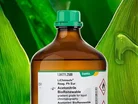
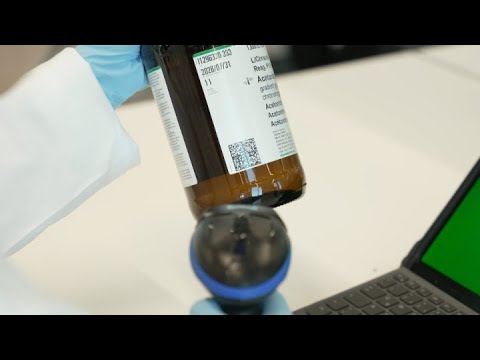
Merck Group has developed bio-based solvents designed specifically for HPLC applications. The solvents use renewable feedstocks and function as direct replacements for acetonitrile, methanol and ethanol.
According to the company, the portfolio achieves an average reduction of 25.9% in CO₂e compared to conventional fossil-fuel-based chromatography solvents.
The solvents maintain the performance standards required in analytical testing. They are compatible with existing HPLC and liquid chromatography mass spectrometry systems. This allows laboratories to adopt the materials without redeveloping validated methods.
Karen Madden, Chief Technology Officer for the Life Science business of Merck, said: "Our new bio-based HPLC solvents represent the next generation of high-performance liquid chromatography. Customers are looking for solutions that help reduce environmental impact without compromising performance quality."
Karen adds: "This innovative portfolio aims to deliver the precision, quality and reliability expected in HPLC and is designed to integrate seamlessly into existing methods."
The compatibility feature could be important in regulated pharmaceutical environments where analytical consistency and validation requirements can make process changes complex. The solvents support applications across drug development, manufacturing quality control, environmental analysis and diagnostics.
Manufacturing and supply chain integration
The development demonstrates how pharmaceutical supply chains are incorporating greener raw materials while maintaining industrial-scale reliability. Merck uses proprietary production processes and renewable inputs to align laboratory consumables with decarbonisation strategies.
This aligns with demand from pharmaceutical manufacturers and research institutions for products that reduce environmental footprint without disrupting analytical workflows.
Bio-based chromatography solvents represent an intersection between performance requirements and sustainable manufacturing practices. The materials are engineered to meet the technical specifications of precision analytical instruments. They also address carbon reduction targets that pharmaceutical companies are adopting across operations.
The shift to renewable feedstocks in laboratory consumables could influence broader supply chain decisions. Pharmaceutical manufacturers often require consistency in analytical testing across multiple sites. Drop-in replacements that do not require method revalidation could accelerate adoption rates.
According to Merck, the portfolio is designed for use in applications where chromatography plays a role in molecular separation and measurement. This includes quality control processes, research applications and diagnostic testing where analytical accuracy is required.
Chromatography in medical applications
Chromatography systems are used in healthcare and medical device manufacturing for purification, separation and extraction processes. According to Ecolab, pharmaceutical-grade resin systems are deployed in medical technologies including extracorporeal blood purification systems used in dialysis and nanodialysis machines.
They also support enzyme-based glucose sensors and purification processes for nutrition products such as infant formulas.
These materials are used in therapeutic applications addressing kidney and liver failure, diabetes, cystic fibrosis and immunodeficiencies. Ecolab notes that the materials must meet regulatory requirements and standards governing extractables, leachables and toxicological safety in medical devices.
The regulatory structure ensures that chromatography-based materials maintain patient safety and quality consistency across diagnostic and therapeutic applications. This regulatory environment influences how new materials such as bio-based solvents are evaluated for use in pharmaceutical workflows.
The integration of sustainable materials into chromatography systems could mean that pharmaceutical manufacturers can address environmental targets while maintaining compliance with medical device standards. The ability to use bio-based solvents without compromising analytical performance or regulatory approval could support adoption in laboratories operating under strict quality protocols.
Company portals


Executives

Karen Madden
Chief Technology Officer