The Role of Sustainable Fishing on Chinese New Year
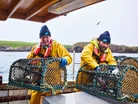
As families across Singapore and Malaysia gather around the dinner table for Chinese New Year, steamed fish will once again take centre stage. But this festive favourite also brings another topic to the table – the sustainability of what’s being served.
Research from the Marine Stewardship Council (MSC) reveals that sustainable seafood matters to more than eight in ten Malaysians (85%) and nearly three-quarters of Singaporeans (74%).
Bridging the visibility gap
While many Singaporeans actively seek out sustainable options, a YouGov survey for the MSC uncovers a notable “visibility gap.” A majority of shoppers (58%) say they have never noticed an eco-label, and only 21% recognise the MSC blue fish mark.

With seafood demand surging for Chinese New Year, closing this awareness gap is key to promoting sustainable consumption during the festivities. Malaysia consumes more than twice the global average per person (49 kg compared with 21 kg globally), while Singapore relies heavily on imports. Without clear labelling or retailer transparency, even consumers who want to make responsible choices may struggle to do so.
All sustainability, net zero and sustainable supply chain leaders should attend:
- Sustainability LIVE: The Net Zero Summit - QEII Centre, London, March 4-5
- Sustainability LIVE: The US Summit - Navy Pier, Chicago, April 21-22
Co-located with Procurement & Supply Chain LIVE, these events brings together CSOs, ESG leaders and senior decision-makers at a moment when sustainability, supply chains and commercial performance are increasingly interconnected.
Tickets can be booked online today for The Net Zero Summit and The US Summit. Group discounts available.
Accountability and local livelihoods
In Malaysia, where fishing supports countless coastal families, 75% of respondents say local fishers need more resources and support to operate responsibly.
For Singapore, which imports almost all of its seafood, supply chain transparency has become essential. More than half of consumers (55%) look to government benchmarks for reassurance, while 54% say clear sourcing information is crucial to trusting retailers.
When asked what “sustainable seafood” means, consumers showed a mature understanding: 62% of Singaporeans and 56% of Malaysians link it to well-managed fisheries regulated by clear rules.
Anne Gabriel, Program Director for Oceania and Singapore at the Marine Stewardship Council, says: “It’s clear that consumers are ready and willing to seek out credible certification, so we're urging retailers and businesses to make MSC eco-label products visible and accessible.”
Retailers are now under greater scrutiny, with more than half of Singaporean shoppers (52%) calling for formal commitments to sustainable seafood.
Despite rising living costs, nearly four in ten consumers say they are willing to pay more for responsibly sourced fish, proving that sustainability isn't just a luxury – it’s a priority.
Clearer labelling remains the key to unlocking this value-driven spending surge during the holidays. To make sustainable choices, shoppers can look for MSC partners such as Prime Supermarket in Singapore or Village Grocer in Malaysia.
The global demand for sustainable seafood
This trend extends far beyond Southeast Asia. In the UK, the MSC reports that retailers saw a notable increase in certified sustainable seafood sales over 2024–25, driven by the fact that 63% of all wild-caught seafood now carries the MSC blue label.
Supermarket own-brands have strengthened their sustainability commitments, offering consumers 948 MSC-certified products.
Seth McCurry, MSC UK & Ireland Senior Commercial Manager, says: “With almost a quarter of UK consumers (22%) telling us they won’t buy fish unless it’s sustainable, it’s no surprise to see sales of MSC-labelled products continue to rise significantly.
“Retailers aren’t just listening to their customers either, they’re also working incredibly closely with the fishing industry to ensure there’s a greater range of MSC certified species on their shelves, including locally caught fish and seafood.”
Company portals

Executives
Anne Gabriel
Oceania & Southeast Asia (excl Indonesia) Program Director
Seth McCurry
Senior Commercial Manager