How Novo Nordisk Balances Growth With Environmental Progress

The healthcare sector accounts for an estimated 5% of global greenhouse gas emissions, underscoring the pressure on pharmaceutical leaders to decouple growth from environmental impact while expanding access to care.
Against this backdrop, Novo Nordisk’s 2025 Sustainability Statement in its Annual Report positions the company’s “triple bottom line” approach – financial, social and environmental – as core to long‑term value creation, not a side programme.
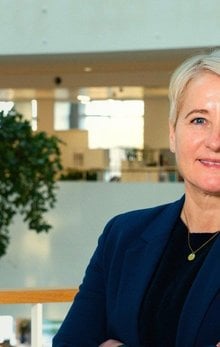
“Sustainability is something Novo Nordisk remains committed to each year,” explains Dorethe Nielsen, VP Environmental Responsibility at Novo Nordisk.
“Despite an increasing environmental footprint in 2025 as we aim to serve more patients, we made important progress on our environmental ambitions and targets.
“This included:
- “More than 3,000 suppliers committed to renewable electricity sourcing, increasing supplier coverage based on CO₂ from 41% to 54%
- “Our plastic footprint per patient was reduced by 5%
- “Our nature strategy advanced with more than 10% of glucose sourced from regenerative sources.”
Supplier engagement and climate ambition
Novo Nordisk’s decarbonisation pathway is inseparable from its supply chain, where the majority of its Scope 3 emissions reside.
The company has reaffirmed its commitment to reach net zero across scopes 1, 2 and 3 by 2045, supported by interim milestones that include zero Scope 1 and Scope 2 emissions on a market‑based basis.
Supplier engagement is framed not merely as compliance but as collaborative innovation, backed by an Environmental Guide for Suppliers and CMOs that sets clear expectations on climate, water and plastics.
Partners are expected to align with Novo Nordisk’s Responsible Sourcing Standard, measure and reduce their own footprints, and work jointly on new materials, processes and technologies that cut emissions and waste across the value chain.
Managing a growing plastic footprint
As a global leader in diabetes care and obesity treatments, Novo Nordisk’s devices and packaging depend heavily on plastic, making material use and waste a critical focus area.
In its 2025 Sustainability Statement, the company introduces short‑ and long‑term targets on plastic footprint per patient and zero landfill, including a global goal to reduce plastic footprint per patient from diabetes and obesity products by 30% by 2033 versus a defined baseline.
To achieve this, Novo Nordisk is working with raw‑material suppliers and contract manufacturers to reduce plastic usage, phase out virgin fossil‑based plastics where possible and transition to alternative, more circular materials.
Suppliers of plastic for medical devices are expected to help identify redesign opportunities, lightweight components and increase recycled or bio‑based content, all while safeguarding device safety and quality.
Towards a nature‑positive business
Nature loss is emerging as a systemic risk alongside climate change, and Novo Nordisk is one of the first pharmaceutical companies to set explicit nature‑positive ambitions. The company aims to halt nature loss across its value chain by 2033 and achieve a nature‑positive status by 2045, focusing on impacts on land, water and biodiversity.
In practice, this is reflected in its Circular for Zero strategy and a dedicated nature roadmap, which link nature goals with climate and plastics targets. Actions include sourcing key agricultural inputs such as wheat and maize from regenerative farms, tackling deforestation risks in paper and cardboard supply chains, and strengthening water stewardship at high‑risk sites and in upstream supplier networks.
Accessible healthcare and social impact
While environmental metrics often dominate sustainability discourse, Novo Nordisk’s 2025 statement puts equal weight on societal value and access to care.
In 2025, the company provided medical treatment to 42.0 million people living with diabetes and 3.6 million people living with obesity, reflecting both rising demand and expanded reach.

These outcomes sit within a broader “purpose and sustainability” ambition that prioritises patient protection, quality of life and being recognised for adding value to society. Efforts range from affordability and access initiatives in low‑ and middle‑income countries to partnerships that strengthen health systems and address the growing burden of chronic disease in line with the SDGs.
Balancing growth with impact
Novo Nordisk’s 2025 Annual Report underscores the tension facing many fast‑growing pharma companies: overall CO₂e emissions across scopes 1, 2 and full scope 3 rose by 19% year‑on‑year, even as the company maintained strong sales and operating profit growth.
The company acknowledges that sustainable transformation requires continued investment, including restructuring and acquisitions, while insisting that long‑term value depends on aligning financial performance with environmental stewardship and social responsibility.
Company portals

Executives
Dorethe Nielsen
Vice President - Corporate Environmental Strategy