
The PepsiCo Foundation: Regenerative Olive Farming in Spain
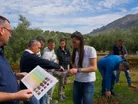
PepsiCo has launched the second edition of VivaOliva through The PepsiCo Foundation.
This programme, first launched in 2025, aims to transform olive groves in Jaén, Spain through regenerative agriculture.
It will engage 200 farmers in the region, who will gain insights and support to help them adopt regenerative practices.

PepsiCo’s regenerative programme
The VivaOliva initiative combines practical training with hands-on support in regenerative agriculture techniques for olive groves.
The project aims to improve soil health, optimise water use and conservation and contribute to environmental protection.
The PepsiCo Foundation is collaborating with Earthworm Foundation, The Sustainable Smallholder and The Regen Academy to work on the project.
Through these partnerships, The PepsiCo Foundation will organise three field-based thematic sessions in Jaén, where farmers will learn and experience regenerative practices firsthand.
The programme will also include eight workshops and personalised technical advice to facilitate the adoption of more sustainable farming models.
It also aims to promote economic inclusion, supporting generational renewal in the countryside and encouraging the professionalisation of the sector through sustainable farming practices.
Andrea Pont, PepsiCo Foundation Programs Lead for Europe, says: “Through the second edition of VivaOliva, we aim to continue and expand the programme, reinforcing our commitment to Jaén’s olive oil producers.
“We want to support them so they can apply practical knowledge and regenerative agriculture techniques in their daily work, moving towards a more resilient, sustainable and environmentally respectful olive-growing model.”
About the 2025 VivaOliva project
Approximately 35 new farmers will join the participants first engaged in the project in 2025.
They will adopt regenerative practices including the use of organic fertilisers to restore soil health, improvements in drip irrigation and the planting of cover crops.
The PepsiCo Foundation is also focusing on fostering entrepreneurship and engaging new generations in farming.
The programme continues the work from 2025, training young people and newcomers to agriculture, providing them with tools, knowledge and opportunities to expand their professional development in olive cultivation.
The farmers who participated in the first edition of the project will advance to more sophisticated actions related to soil health and fertility, water management, pruning, organic treatments and composting.
Clara Labaste, Field Work Coordinator at Earthworm Foundation, says: “Our main goal is for farmers to see tangible results in their crops and surroundings.
“It is particularly positive that, in this second edition, farmers who participated last year can continue expanding their regenerative knowledge and techniques, as it shows they appreciate and value the benefits that regenerative agriculture brings to their activity.”
Alignment with sustainability strategy
This programme is helping support PepsiCo’s wider sustainability goals through its food products.
Alvalle, PepsiCo’s refrigerated gazpacho brand in Spain, has a direct connection to Jaén, as part of the extra virgin olive oil used in the gazpacho comes from the olive groves in Jaén.
Through VivaOliva, the programme supports rural development, improves the livelihoods of small farmers and strengthens a fairer, more sustainable and connected food system.
The programme helps address the territory’s needs by promoting a more sustainable and resilient agricultural model.
This aligns with PepsiCo’s pep+ sustainability strategy, which places sustainable practices at the core of its growth and value creation.
This reflects the company’s commitment to the development of the communities where it operates and sources the ingredients for its products.
PepsiCo’s sustainability commitments focus particularly on food access, safe water access, farming and workforce development.
Through its initiatives and collaborations, The PepsiCo Foundation aims to strengthen food systems, support farmers and expand access to nutritious food and safe water.