
Phillip Morris International: Smoke Free Tobacco Products

Tobacco production has a serious impact on the environment, poisoning water, soil, beaches and city streets through chemicals, toxic waste, cigarette butts and microplastics, according to the World Economic Forum (WEF).
The WEF says this pollution is estimated to destroy 3.5 million hectares of land, annually.
Alongside damaging the planet the manufacturing of cigarettes has resulted in six billion trees being chopped down and 22 billion tonnes of water used, according to the WEF.
Philip Morris International (PMI) is a tobacco brand that is looking to make a change within the industry and reduce the impacts of production and consumption of the products.
Who is PMI’s sustainability lead?
Jennifer Motles has worked at PMI for more than 10 years, taking on the role of Chief Sustainability Officer in 2020.
She has had a variety of experience throughout her career, gaining experience throughout the legal sector before moving onto sustainability focuses.
Jennifer holds a Diploma in Behavioural Economics from the Harvard Business School.
In 2025 she was awarded the CSO Peer Award, chosen by other sustainable professionals, as recognition for doing important work within the field.
Jennifer said on Linkedin: “Recognising sustainability teams working in challenging industries speaks to something we all understand: how difficult it is to drive change from within complex systems.
“True transformation requires people willing to navigate doors that more often than not are closed, skeptical stakeholders, and the inevitable ‘one step forward, two steps back’ moments that come with systemic change.”
What is PMI doing to reduce the impacts of tobacco on the world?
PMI reports that that it has three main initiatives surrounding the social impacts of its products:
- Research, develop and commercialise products that contain nicotine that have been scientifically proven to be less harmful that cigarettes.
- Work towards mitigating the use of cigarettes, replacing them with smoke free alternatives.
- A wider outlook into opportunities to create growth in the healthcare and wellness sector.
The company has already started to make headway within the goals estimating that 38.6 million people are using the smoke free products, alongside 867,000 of these products being refreshed or repaired since 2021.

As well as providing smoke free options to improve customers emissions, PMI has been working on its own operations, currently 99% of contracted farmers for the company make a living income.
PMI also has made 61% of its manufacturing facilities certified as carbon neutral.
Jacek Olczak, CEO at PMI says: “I’m pleased to report substantial progress in advancing the sustainability of our business, which is inextricably linked to our business transformation.
“Our drive toward a smokefree future and our commitment to sustainability are deeply integrated.
“Both reflect our purpose to create long-term value while addressing our products’ impacts on society and the environment.”
What are PMI’s sustainability goals?
The company’s long term aim is to phase out cigarettes, being a mostly smoke free company by 2030.
This goal is hoped to be met by developing and commercialising science-based smoke free alternatives, alongside deploying youth access prevention programmes that ensures that companies selling the products abide by marketing codes.
Alongside reducing the uptake of cigarettes PMI also aims to prevent littering from consumers following eco-design and circulatory principles with its smoke-free devices.
Within its operations the company aims to nurture a fair and inclusive culture, eradicate systematic labour across its supply chain and ensure that farmers can make a living income.
PMI says it wants to tackle climate change and achieve carbon neutrality within its operations.
It also is working on preserving nature through promoting biodiversity, addressing critical water challenges and halving deforestation in tobacco and pulp and paper supply chains.
Jennifer says: “Change requires us to listen across differences, find areas of compromise, and create solutions that work for everyone involved.
“It means staying in the room even when it’s uncomfortable and recognizing that meaningful work can emerge from the most unexpected places.”
Company portals
Executives
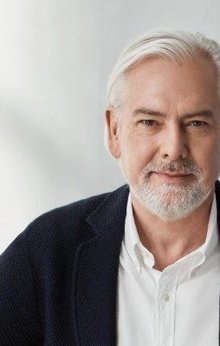
Jacek Olczak
Chief Executive Officer

Jennifer Motles
Chief Sustainability Officer