
Schneider Electric & SCE's SF₆ Reduction Technology

Carbon dioxide often takes centre stage in discussions around greenhouse gases.
While CO₂ is responsible for around 74% of total emissions, according to the Center for Climate and Energy Solutions, it is far from the most powerful contributor.
Methane, for example, is at least 80 times more potent than carbon dioxide over a 20-year period and is increasingly becoming a focus for climate action initiatives. Yet even methane’s impact is overshadowed by a lesser-known gas – sulphur hexafluoride, or SF₆.
For decades, SF₆ has been widely used in energy grids to insulate electrical systems and suppress high-voltage arcs, helping to prevent fires and equipment damage.
However, the downside is significant: sulphur hexafluoride is approximately 23,500 times more harmful to the atmosphere than CO₂, according to the World Economic Forum.
The dangers of SF₆
SF₆ has the highest global warming potential (GWP) of any known substance.
Although grid operators engineer their systems to minimise emissions, several high-profile leaks have occurred in recent years involving companies such as Duke Energy, Solvay, SSE and TotalEnergies.
These incidents have intensified calls for SF₆ to be rapidly phased out of the energy sector, with the EU already mandating its removal. As a result, identifying viable alternatives has become increasingly urgent.
Schneider Electric, a global energy technology leader, is among the companies developing cleaner alternatives.
Schneider Electric’s SF₆-free offering
Southern California Edison (SCE), one of the largest grid operators in the US, has partnered with Schneider Electric to deploy SF₆-free switchgear across several substations.
Schneider’s GMAirSeT switchgear replaces SF₆ with a combination of clean air and vacuum technology.
The first two installations are planned for 2027 at SCE’s Great Lakes substation in the Antelope Valley region of northern Los Angeles County and the Running Springs substation in the San Bernardino Mountains.
A major advantage of Schneider’s solution is its compatibility with existing infrastructure.
Its compact, modular design allows SCE to upgrade substations without dismantling and rebuilding them entirely.
While the primary goal of eliminating SF₆ switchgear is to reduce environmental impact, both companies say the technology could also double substation capacity.
Shinjini Menon, SVP of System Planning and Engineering at SCE, views the initiative as a key step in grid modernisation.
"Our customers and communities are becoming increasingly dependent on electricity," she says.
"Demand continues to grow at an unprecedented pace across our service area, and we are committed to updating our grid architecture so that we can energise customers faster and keep electric bills affordable."
The demand for SF₆-free technology
This partnership comes amid rising electricity demand across SCE’s service area, driven by the electrification of transport, buildings and industry.
Schneider’s pre-assembled, enclosed substation systems are designed for faster installation than traditional equipment, enabling quicker connections for new customers.

Ruben Llanes, CEO of Digital Grid and President of North America Power & Grid at Schneider Electric, believes the project could help address the energy trilemma – balancing sustainability, reliability and affordability.
"Utilities shouldn't have to choose between speed, cost and clean energy," he says.
"This enables SCE to bring new capacity online faster, manage project costs and reduce emissions at the same time."
A change among American utilities
SF₆-free switchgear has already seen strong uptake in Europe and parts of Asia, but adoption among US utilities has been slower.
However, projects like the collaboration between Schneider and SCE suggest this is beginning to shift, particularly in regions with stricter regulation and growing demand.
New York’s grid operator, NYISO, forecasts that electricity demand could rise by between 1,600MW and more than 4,000MW by 2030 – figures that underscore the need for faster, lower-impact substation upgrades.
Michele Hix, VP of Strategic Customers and Segments for Schneider’s North American operations, believes the US energy sector is at a pivotal moment.
"California and New York are advancing electrification and grid modernisation, and meeting this moment requires deep collaboration between utilities and technology partners," she says.
If the SCE projects proceed as planned, they are expected to guide a broader rollout of similar substation modernisation strategies across the utility’s network over time.
Company portals


Executives
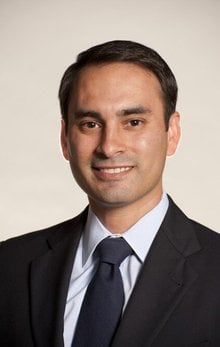
Ruben Llanes
CEO of Digital Grid and President of North America Power & Grid

Shinjini Menon
SVP of System Planning and Engineering at SCE