Sustainability in the Value Chain: Regeneron Pharmaceuticals

Regeneron Pharmaceuticals is a global biotechnology company that creates and develops life-saving medicines.
It has more than 15,000 employees worldwide and has been leading scientific medical research for more than 35 years.
Its medicines and research is designed to help patients with conditions including cancer, neurological diseases, infectious diseases and rare diseases.
Regeneron Pharmaceuticals has been awarded 28th place in Sustainability Magazine’s Top 250 World’s Most Sustainable Companies 2025.

Regeneron’s sustainability goals
In 2020, Regeneron Pharmaceuticals launched its 2025 responsibility goals which involve its three focus areas – improving the lives of people with serious diseases, fostering a culture of integrity and excellence and building sustainable communities.
These areas are guided by its approach of “Doing Well by Doing Good” which helps address the issues most important to the business and its stakeholders.
It has surpassed its goal of providing STEM experiences to 2.5 million students, educating 3.25 million students through its community programmes.
Regeneron is also focusing on lowering its greenhouse gas emissions through investing in energy-efficient technologies and increasing its use of renewable electricity.
In 2024, it achieved a 43% reduction in its Scope 1 and 2 emissions intensity compared to its 2016 baseline.
It identities energy optimisation opportunities through its central energy management system, which monitors energy consumption.
It aims to shift to low-carbon transportation by implementing EV charging stations and bike storage at its facilities.
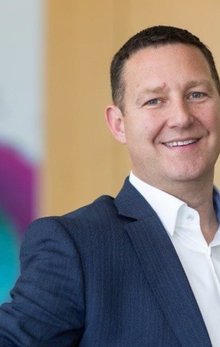
Linnea Texin, Executive Director of Corporate Responsibility at Regeneron, says: “As we expand around the world, we aim to set new benchmarks for what it means to be a leader at the intersection of science and society.
“We are motivated by the belief that the work we are doing now – the barriers we are breaking, the discoveries we are making – will make the world, and Regeneron, better.”
Waste management
Regeneron is targeting responsible waste management, focusing on diverting waste from landfill through reuse, recycling and reduction.
It is also aiming to help reduce emissions in its value chain by reducing high-energy waste treatment methods.
Closed-loop recycler Polycarbin has partnered with Regeneron to recycle single-use plastic that is not typically accepted into regular recycling waste streams.
Through this programme, Regeneron recycled more than 8,100lbs of single-use lab plastics and 625lbs of nitrile gloves in 2024.
It is working across its value chain to reduce waste, by partnering with its suppliers to switch to reusable containers for its products and materials.
Responsible sourcing
Regeneron is committed to holding its suppliers, manufacturers and business collaborators to high ethical and labour standards.
It supports its suppliers to help them meet the standards before initiating contracts, by checking if the company is complying with anti-corruption and anti-bribery practices.
It also periodically checks its suppliers for safety, quality and regulatory compliance.
This is all part of ensuring the best possible quality across the value chain and prioritising sustainable practices through its business.
Matthew Everett, Senior Vice President and Chief Procurement Officer at Regeneron, says: “Strategic supplier inclusion is a business accelerator.
“By broadening our potential supply base, we drive innovation and collaboration, and build a supply chain that is resilient and future-ready.
“A supplier ecosystem that is inclusive of large, small and innovative suppliers fosters healthy competition, leading to better quality, service and value to fuel sustainable growth.”
Company portals

Executives
Linnea Texin
Executive Director, Corporate Responsibility
Matthew Everett
Senior Vice President, Global Procurement