The Emission Lows & Welfare Highs of Nestlé’s Dairy Plan
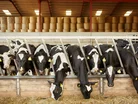
For food producers, dairy sustainability is a supply chain resilience issue as much as an environmental one – the sector faces emissions, climate stress, volatile milk prices, labour shortages and rising production costs, while still needing to deliver safe, nutritious milk at scale.
Founded in 1866, Nestlé is one of the world’s largest food and beverage companies, employing more than 270,000 people across a portfolio of more than 2,000 brands, many of which rely on dairy products.
The food and drink giant has released its first Dairy Plan, outlining how it works with 130,000 dairy farmers, more than 200 suppliers and how the company links climate action, farmer livelihoods, animal welfare, nature and quality, arguing that more sustainable dairy farming can make supply chains more reliable, lower risk and better able to handle shocks.
The plan sits within the company’s net zero roadmap and focuses on reducing greenhouse gas emissions, scaling regenerative agriculture, supporting farmer livelihoods, improving animal welfare and protecting ecosystems across the dairy value chain.
"The Dairy Plan shows that productivity, quality milk and sustainability are closely connected and can positively reinforce each other. Through our collaborative approach across the dairy value chain, we are working to advance this change,” said Katja Seidenschnur, Nestlé's Head of Sustainability for the Nutrition & Health business.
“Together with farmers, we are deploying innovative solutions and technologies that help them build resilience to climate change and economic pressures, develop skills to run their farms as businesses and improve their livelihoods.
“These practices are also supporting Nestlé's long-term access to high-quality milk and milk ingredients – crucial for the production of the nutritious products across our portfolio."

Sustainability leaders won’t want to miss Sustainability LIVE: The Leadership Summit at London Climate Action Week, taking place at Code Node on 25 June 2026.
Register now for this exclusive invite-only event.
Dairy’s sustainability challenge
Dairy is a major source of greenhouse gas emissions in Nestlé’s business, and it represents one of its largest agricultural emissions sources.
At the same time, dairy is also central to nutrition for children and adults, so the challenge is not to reduce it, but to make it more resilient and less resource intensive.
The report repeatedly stresses that milk quality begins on the farm, where soil health, herd health, feed quality and climate conditions all shape outcomes.
“Nestlé remains a company where science meets nutrition,” Serena Aboutboul, Head of Nutrition & Health Strategic Business Unit, Nestlé explains in the introduction to the plan.
“Dairy is an important source of nutrition for young and old alike, providing essential nutrients that support growth, development and healthy longevity.
“Dairy-based products are a central part of our portfolio and that means we need to source milk and milk derivatives responsibly. This includes working with partners and communities on topics like farmer incomes, climate change, animal welfare and nature. We see all these challenges as being highly interconnected. Therefore, the Nestlé Dairy Plan pulls together expertise from across the company and beyond to approach them in a comprehensive and holistic manner.”
Procurement in focus
Nestlé sources dairy in two main ways: dairy derivatives such as milk powders, whey and lactose are bought from cooperatives or suppliers, while fresh milk is sourced directly from farmers before processing in Nestlé factories.
For Nestlé, responsible sourcing means improving traceability and monitoring how ingredients are produced, backed by its Responsible Sourcing Core Requirements and due diligence processes. The company works with strategic suppliers, including dairy businesses such as Fonterra, Sodiaal Euroserum, Lactalis, Agropur, Land O’Lakes and FrieslandCampina, to develop efficiencies, low-emissions solutions and regenerative agriculture in its value chains.
Climate action
Dairy is a major opportunity for emissions reduction at scale.
In 2025, Nestlé reported a 26% net greenhouse gas emissions reduction in its dairy supply chain versus its 2018 baseline.
The company attributes this to work on lower-carbon feed, precision feeding, regenerative agriculture, manure management and technologies that reduce methane and improve resource efficiency.
Examples include biodigesters in India, a net zero pilot farm in New Zealand and a Dutch programme aiming for a 50% lower milk footprint by 2030.
“The Nestlé Dairy Plan is the embodiment of Creating Shared Value: supporting supply continuity, mitigating risk, and delivering benefits to stakeholders,” says Antonia Wanner,Chief Sustainability Officer, Nestlé.
“When things are done well, everyone stands to benefit – the farmer who has improved their income or is on firmer ground when challenges arise, Nestlé, which has access to high quality ingredients, and the environment, because of the resource-efficient, nature-based approach to agriculture we are promoting. By working at a systems level with carefully selected partners, we can help the sector transform.”
Company portals

Executives
Antonia Wanner
Chief Sustainability Officer