The UK's Nuclear Commitment: Sizewell B's Route to 2055
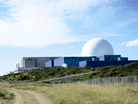
Sizewell B, one of the UK’s largest and most efficient nuclear power stations, has been granted a 20-year life extension.
Operated by EDF, the plant has been generating electricity since 1995 and was originally expected to close in 2035, aligning with the typical 40-year operational lifespan of nuclear facilities.
However, following an agreement between the French energy company and the UK Government, the site will now remain active until 2055. This follows Westminster’s decision to offer EDF a fixed, subsidised price for its future electricity generation.
“Sizewell B is the cleanest, most productive and most reliable plant in the whole country, so extending its life is one of the best things we can do to build an affordable and reliable clean power system,” says Tom Greatrex, CEO of the UK’s Nuclear Industry Association.
“Nuclear makes a unique and irreplaceable contribution to our energy security, so we should also continue to deploy new nuclear projects, to renew the benefits from clean, secure and reliable electricity for decades to come.”
Sizewell B so far
Since its commissioning in 1995, Sizewell B has generated over 270TWh of low-carbon electricity, placing it among the most productive power stations in UK history.
EDF states that this output would be sufficient to meet the electricity needs of every household in Suffolk and Norfolk for more than 100 years.
Currently, the plant supplies roughly 3% of the UK’s total electricity, equivalent to powering around 2.5 million homes.

Importantly, Sizewell B provides baseload power. Unlike wind and solar energy, it operates continuously regardless of weather conditions, making it a dependable backbone for the British energy grid.
The financial detail
EDF has committed to a significant refurbishment programme, to be carried out during scheduled outages over the next 15 years.
The cost of this upgrade is expected to reach approximately US$1.02bn.
Centrica, which holds a substantial stake in the plant, has also endorsed both the agreement and the investment required to extend operations through to 2055.
“I’m delighted that Sizewell B, in which Centrica owns a 20% share, will continue to play a key role in the UK’s energy system for decades to come,” says Centrica CEO Chris O’Shea.
“Sizewell B is critical to delivering the reliable, zero-carbon baseload power that supports Britain’s energy security, protects skilled jobs and underpins a more resilient economy,” he adds.
This emphasis on resilience and energy security has been central to the government’s decision.
According to the UK Government, if a similar arrangement had been in place during the energy price crisis triggered by Russia's invasion of Ukraine, consumers could have saved around US$2.54bn.
‘Delivering a golden age of nuclear’
Simone Rossi, CEO of EDF UK, views the extension as part of a wider strategic direction.
“Global events demonstrate time and again how vital it is for the UK to secure long term, low-carbon, homegrown electricity which protects British households and businesses from market volatility,” he explains.
He adds that extending the life of existing plants alongside constructing new ones is “central to EDF’s strategy”.
The UK’s Energy Secretary, Ed Miliband—who has been clear about the government’s ambition to invest heavily in nuclear—summarised the significance of the agreement.
“Nuclear power is vital for our energy security, and this extension will help produce the clean power our country needs,” he says.
“By backing Sizewell B, we are delivering a golden age of nuclear and maintaining 900 skilled jobs in Suffolk."
What comes next
It is worth noting that the agreement between EDF and the UK Government is currently a ‘Heads of Terms’, meaning it is not yet a finalised contract.
Both sides must still agree on a full contract and obtain regulatory approvals before the deal is formally completed.
Government officials expect this process to conclude within the coming months.
Significantly, the extension means Sizewell B will continue operating well beyond the expected completion of its successor, Sizewell C, which is being built nearby and is due online in the late 2030s.
With both plants running at full capacity, alongside new investments in small modular reactors (SMRs), the UK’s nuclear fleet is set to be in a strong position for decades to come.
Company portals




Executives

Chris O'Shea
Chief Executive Officer
Simone Rossi
Chief Executive Officer

Tom Greatrex
CEO