Top 10: Corporate Carbon Management Platforms
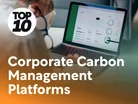
Corporate carbon management platforms have rapidly become essential infrastructure for companies serious about net zero.
As regulatory pressure intensifies and Scope 3 data demands grow, leading solutions now combine robust carbon accounting with automation, audit-ready reporting and decision-grade analytics.
These tools help sustainability teams move beyond spreadsheets to real-time visibility of emissions across operations and supply chains, enabling credible target-setting and actionable decarbonisation roadmaps.
This Top 10 list spotlights the platforms shaping the next generation of corporate climate strategy, from carbon-first specialists to enterprise ESG suites
10. Greenly
CEO: Alexis Normand
CSO: not identified as a standalone C‑suite role
HQ: New York, US
Greenly is a carbon accounting and management platform that makes emissions measurement intuitive for businesses of all sizes.
The software automates data collection from spend, energy and business tools, then translates results into clear dashboards aligned with the GHG Protocol.
Greenly supports SMEs and larger enterprises with reduction roadmaps, supplier engagement and climate education, helping embed low‑carbon practices across organisations.
As a certified B Corp, it places impact at the heart of its commercial model.
9. Gravity
CEO: Saleh Elhattab
Head of Partnerships & Policy: Jay Ruckelshaus
HQ: California, US

Gravity is a carbon management platform tailored to companies with complex industrial and manufacturing supply chains.
It connects directly to supplier and operations data, creating detailed emissions baselines and highlighting process‑level reduction opportunities.
Gravity helps sustainability teams translate climate goals into procurement criteria, project pipelines and measurable outcomes.
By focusing on hard‑to‑abate sectors, the platform aims to unlock decarbonisation in the parts of the economy where emissions are most entrenched.
8. IBM
CEO: Arvind Krishna
CSO: Christina Shim
HQ: New York, US
IBM Envizi ESG Suite is IBM’s flagship platform for automating ESG and carbon data management, underpinned by AI and hybrid cloud.
Envizi consolidates energy, emissions and ESG metrics from disparate systems, providing a single source of truth for reporting and performance optimisation.
It supports regulatory disclosure, portfolio benchmarking and scenario modelling, so enterprises can translate data into decarbonisation decisions.
As “client zero”, IBM uses Envizi internally, stress‑testing capabilities before they reach customers.
7. Sweep
CEO: Rachel Delacour
Co-Founders: Rachel Delacour, Yannick Chaze and Raphael Gueller
HQ: Paris, France
Sweep offers an end‑to‑end ESG and carbon data management platform designed to help enterprises manage emissions across complex value chains.
Its software aggregates environmental data from business units and suppliers, calculates Scope 1, 2 and 3 footprints and visualises reduction pathways against targets.
Sweep emphasises collaboration, allowing teams and partners to co‑own decarbonisation actions and track performance in real time.
With CSRD‑aligned reporting capabilities, the platform supports companies seeking to meet European regulatory expectations and investor scrutiny.
6. Nasdaq
CEO: Adena Friedman
Vice President, Head of Corporate Sustainability Strategy & Reporting: Nina Eisenman
HQ: New York, US
Nasdaq Metrio is Nasdaq’s SaaS ESG and sustainability reporting platform, combining carbon management with robust disclosure workflows.
Corporates leverage Metrio to centralise emissions and ESG data, map indicators to multiple frameworks and streamline CSRD‑ready reporting.
The system supports iterative data collection across global entities and suppliers, enabling sustainability teams to improve accuracy over time while reducing manual effort.
By connecting climate metrics to capital markets expectations, Nasdaq Metrio helps issuers articulate credible transition progress to investors.
5. Persefoni
CEO: Kentaro Kawamori
Sustainability Advisory Board Founding Chair: Robert Eccles
HQ: Tempe, Arizona, US
Persefoni provides a dedicated climate management and disclosure platform that treats carbon data with the same rigour as financials. Organisations use Persefoni to calculate Scope 1, 2 and 3 emissions, run scenario analysis and prepare compliant reports under SEC, ISSB and other emerging rules.
The software offers pre‑configured methodologies, audit trails and benchmarking, helping sustainability and finance teams collaborate on credible transition plans.
Persefoni’s partnerships with major consultancies and tech providers extend its reach into complex, global portfolios.
4. Watershed
CEO: Christian Anderson
Head of Europe: Ellen McCormack
HQ: San Francisco, California, US
Watershed is a climate data and analytics platform built to help enterprises move from carbon accounting to rapid emissions reduction.
The software ingests granular operational and supply chain data to generate audit‑ready, investment‑grade carbon inventories aligned with leading disclosure frameworks.
With scenario modelling, supplier engagement tools and a curated marketplace for high‑quality carbon removal, Watershed supports end‑to‑end decarbonisation programmes.
Its customers include digital natives and global banks seeking credible, high‑frequency carbon insights.
3. SAP
CEO: Christian Klein
Global Head of Sustainability: Matthias Medert
HQ: Walldorf, Germany
SAP’s carbon management capabilities, anchored in SAP Sustainability Control Tower, embed ESG data directly into core enterprise processes.
By drawing on SAP S/4HANA and industry-specific solutions, the platform helps corporates measure Scope 1, 2 and 3 emissions, manage product footprints and steer capital towards lower‑carbon activities.
Real-time analytics and “green ledger” concepts give finance and sustainability teams a common view of climate performance.
SAP’s vision links carbon data with procurement, manufacturing and logistics, turning decarbonisation into an operational discipline rather than a reporting exercise.
2. Salesforce
CEO: Marc Benioff
SVP Impact: Sunya Norman
HQ: San Francisco, California, US
Salesforce Net Zero Cloud gives organisations a single view of their carbon footprint, turning CRM-grade data into decision-ready climate intelligence.
The platform automates greenhouse gas accounting, supports science-based targets and enables suppliers and customers to collaborate on decarbonisation journeys. Embedded dashboards reveal emissions hotspots, while forecasting tools help sustainability teams test reduction levers and track progress in real time.
Net Zero Cloud also connects climate performance to broader ESG reporting needs, simplifying disclosures for regulators and investors.
1. Microsoft
CEO: Satya Nadella
CSO: Melanie Nakagawa
HQ: Redmond, Washington, US
Microsoft’s Cloud for Sustainability enables enterprises to centralise emissions data, model decarbonisation scenarios and operationalise net zero strategies across Scope 1, 2 and 3.
Deep integrations with Azure, Dynamics 365, and industry clouds provide automated data capture and continuous performance monitoring.
For corporates under growing climate disclosure pressure, Microsoft couples carbon accounting with advanced analytics and AI, helping teams simulate reduction pathways and optimise investments. Its open ecosystem and standards-based approach mean sustainability leaders can connect existing systems while staying aligned with evolving regulations.






Executives
Adena Friedman
Chair and Chief Executive Officer

Alexis Normand
CEO and Co-Founder
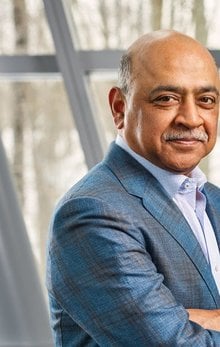
Arvind Krishna
CEO
Christian Anderson
Co-Founder
Christian Klein
CEO & Member of the Executive Board
Christina Shim
Chief Sustainability Officer
Ellen (Moeller) McCormack
Head of EMEA Sales
Jay Ruckelshaus, PhD
Co-Founder, Head of Partnerships & Policy
Kentaro Kawamori
Co-Founder & CEO
Marc Benioff
Chair & CEO

Matthias Medert
Global Head of Sustainability
Melanie Nakagawa
Chief Sustainability Officer
Nina Eisenman
Vice President – Head of Corporate Sustainability Strategy & Reporting

Rachel Delacour
CEO
Raphael Güller
Co-Founder
Saleh ElHattab
Founder, CEO
Satya Nadella
Chairman and CEO

Sunya Norman
SVP of Impact
Yannick Chaze
Co-Founder & CTO