The Sustainability Concerns Underpinning ChatGPT's Barbie
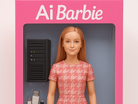
The latest trend on social media featuring AI-generated dolls raises pressing questions concerning the sustainability of computational resources and data privacy practices of corporations.
Users of generative AI platforms, such as OpenAI's ChatGPT and Microsoft's Copilot, engage with these tools by uploading personal images to create personalised toy figures.
These figures come with branded packaging that mimics established toy manufacturers.
However, the fun and novelty of this feature come with underlying sustainability questions.
AI and its implications for global sustainability
Creating these digital dolls relies on the image generation capabilities of large language models (LLMs), trained extensively on text and image datasets to produce visual content tailored to user inputs.
These systems interpret uploaded images and text prompts to generate customised outputs, enabling rapid trend growth due to their user-friendly nature.
However, while AI can streamline content creation, it may also inadvertently hasten audience fatigue cycles.
The sustainability of such trends comes into question as AI-driven innovations proliferate.
The environmental impact of AI operations
The emergence of this trend has sparked discussions about the environmental footprint of using AI for non-essential applications.
Professor Gina Neff from Queen Mary University London draws attention to the considerable energy demands of generative AI systems.
In an interview with the BBC, she remarked that ChatGPT is consuming energy at a rate comparable to that of entire nations.
This excessive energy usage highlights the sustainability challenges faced by data centres powering such technologies.
Furthermore, the AI-generated images raise intellectual property concerns, as the datasets used for training these systems may contain copyrighted materials.
This raises ethical questions about licensing agreements and compensation for rights holders.
Professor Neff expressed that the trend represents a broader threat to privacy, culture, and environmental sustainability.
Mel Morris, CEO and Founder of Corpora.ai, notes the unsustainable demand on GPUs by trends like the LinkedIn action figure phenomenon, emphasizing the carbon footprint associated with these tools.
He points out the financial and environmental costs often overlooked in the casual use of AI technologies.

Ethical and technical challenges
Despite the appeal of the AI Barbie doll, users face challenges with the technology, such as the need for detailed user instructions and frequent misrepresentation of age, eye colour, and proportions.
These technical limitations of generative AI underscore the extensive computational resources required for seemingly trivial applications.
Moreover, there is a broader concern within the AI industry regarding the allocation of resources.
The computational infrastructure used for generating novelty content could be redirected to more impactful applications, such as climate modelling and medical research.
This raises important questions about the balance between innovation and sustainability.
As Morris concludes, while believing in AI's potential, sustainable innovation requires clarity on what constitutes genuine progress.
The short-lived excitement of AI-generated novelties might not align with the long-term vision of responsible and sustainable technological advancement.
Explore the latest edition of Sustainability Magazine and be part of the conversation at our global conference series, Sustainability LIVE.
Discover all our upcoming events and secure your tickets today.
Sustainability Magazine is a BizClik brand