GE Vernova Hitachi: Bringing Carbon-Free Nuclear to the West
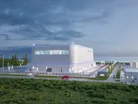
Construction is expected to begin soon on the first small modular reactor (SMR) in the Western world.
GE Vernova Hitachi Nuclear Energy has announced approval from the Province of Ontario and Ontario Power Generation to proceed with the deployment of this SMR in Canada.
The BWRX-300 is built on a standard design, offering a tangible solution to energy security and decarbonisation challenges.
“This historic achievement in small modular reactor technology is more than a milestone, it’s a clear signal that we are ready to meet the moment,” says Scott Strazik, CEO at GE Vernova.
“As we build toward a more holistic energy future, this achievement with the BWRX-300 shows how innovation in nuclear can deliver reliable, baseload, zero-carbon power generation.
“As we confront the challenges of increased demand, energy security and carbon intensity, this milestone reaffirms our commitment to innovation and a more sustainable energy future.”
What is an SMR?
SMRs are a significant evolution in nuclear energy technology.
They are defined as reactors with a maximum output of 300MW, producing around 7.2 million kWh per day.
Traditional plants can exceed 1000MW and generate 24 million kWh daily.
The smaller scale of SMRs can allow them to serve decentralised energy grids to remote areas where large reactors are impractical.

SMRs are usually prefabricated in factories and assembled on-site, significantly reducing construction time.
The modular design of SMRs allows for phased deployment where more units can be added as demand for energy increases.
In a traditional plant, this would require extensive on-site construction.
Usually, SMRs will need refuelling in between three to seven years, while traditional reactors are refuelled every one to two years.
However, there are concerns that SMRs could produce more waste than traditional reactors.
About the BWRX-300
Each BWRX-300 can provide around 300MW of electricity.
This is enough to power 300,000 homes but without the complexity and cost associated with traditional nuclear reactors.
It can use up to 90% less land than traditional reactors, making these a more versatile option for carbon free electricity.
The BWRX-300 also uses existing, proven GNF2 fuel with robust supply chain support.
“The experience and efficiencies gained from deploying the first BWRX-300 at Darlington alongside OPG and our other partners will pave the way for subsequent SMR projects by establishing a proven model for construction and operation,” says Craig Ranson, President and CEO of GE Vernova Hitachi Nuclear Energy.
“The standardised design and modular approach of the BWRX-300 enable economies of scale, making it easier and more cost-effective to replicate the construction process at other sites.”
Will more SMRs follow?
There are more than 80 SMR designs and concepts globally, according to the International Atomic Energy Agency.
It recognises four SMRs in advanced stages of construction in Argentina, China and Russia.
Technology companies, such as Amazon and Google, are showing interest in this tech to power data centres as AI and data growth is dramatically increasing their energy demand.
To reach net zero by 2050, the International Energy Agency says nuclear power worldwide needs to double between 2020 and 2050.
“This is important because nuclear power is the world’s second largest source of low carbon electricity after hydropower,” Craig Jones, Vice President, UK Energy Transition at GE Vernova, says.
“Countries such as the US, Poland and Sweden are looking to follow Canada’s lead.”
Explore the latest edition of Sustainability Magazine and be part of the conversation at our global conference series, Sustainability LIVE.
Discover all our upcoming events and secure your tickets today.
Sustainability Magazine is a BizClik brand