
Inside the WEF’s Global Plastic Action Partnership (GPAP)
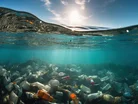
Only 9% of plastic has ever been recycled, which is causing a mass build of plastic in many ecosystems due to plastic taking 1000 years to biodegrade.
To tackle this, The World Economic Forum has set up the Global Plastic Action Partnership (GPAP), focusing on reducing plastic pollution and waste.
GPAP has recently welcomed seven new members, bringing the impact-focused network to 25 countries – a combined population total of more than 1.5 billion people.

What is GPAP?
GPAP was launched in 2018 to combat plastic pollution and advance a circular plastic economy.
Research shows that six million tonnes of plastic enter the ocean annually, with more than twice the amount polluting the land.
Plastic waste continues to pose an urgent global challenge, disrupting ecosystems, harming biodiversity and threatening human health and livelihoods across the world.
By uniting 25 nations under a shared framework, GPAP is able to drive collaborative action and innovative solutions to help nations halt plastic waste leakage.
Plastic pollution is a significant contributor to climate change, responsible for an estimated 1.8 billion tonnes of GHG annually.
By promoting circular systems, GPAP aims to contribute to cut emissions from the plastics sector while fostering economic growth through green jobs.
It is estimated that circular solutions could create up to six million jobs globally by 2030, with the plastics sector driving much of this transformation.
GPAP supports countries in creating tailored National Action Roadmaps, mobilising investments and fostering cross-sector collaboration.
Since its launch in 2018, GPAP has driven measurable progress, securing more than US$3.1bn for waste management solutions, improving livelihoods for more than 12,000 informal waste workers and enabling transformative impact across its growing global network.
The new GPAP partners
The seven new countries bring fresh momentum and new perspectives to GPAP’s mission of amplifying positive impact.
The newcomers to the GPAP include:
- Angola
- Bangladesh
- Gabon
- Guatemala
- Kenya
- Senegal
- Tanzania.
Clemence Schmid, Director of GPAP, World Economic Forum comments: “Reaching this 25-nation milestone is not just a celebration of numbers, it’s a testament to the growing global determination to tackle one of the world’s most pressing challenges.
“These partnerships are not just symbolic, they represent concrete commitments to rethinking how plastics are produced, managed and reused. Together we are charting a path towards a circular plastics economy that benefits people and the planet.”
The members of GPAP?
So far there are only three continents involved in GPAP: Asia, Africa and Latin/South America.
In Asia, the country's part of GPAP are:
- Indonesia
- Viet Nam
- Pakistan
- Maharashtra State
- Cambodia
- Philippines
- Lao PDR
- Bangladesh
GPAP African countries include:
- Ghana
- Nigeria
- Zambia
- Tanzania
- Kenya
- Gabon
- Angola
- Senegal
Latin/South American countries that are part of GPAP include:
- Mexico City
- Ecuador
- Costa Rica
- Peru
- Panama
- Columbia
- Dominican Republic
- Paraguay
- Guatemala
“The growing GPAP community enables collaboration with more than 900 organizations," GPAP's website says, "Including the Governments of the UK and Canada, multinationals such as PepsiCo, The Coca-Cola Company and Nestlé, and international organizations and non-profits like the World Bank Group, UNEP, WWF, GEF and World Resources Institute.
“For our core partners, working closely with GPAP helps their resources reach more people, drive impact faster and support their efforts to help countries overcome the plastic waste challenge.
The urgency to join GPAP is as prevalent as ever, as without a reduction in global plastic waste we risk the destruction of many ecosystems, environments and species.
The growing community will continue to drive systemic solutions to key challenges such as advancing sustainable materials, strengthening recycling systems, tackling greenhouse gas emissions and more.
Explore the latest edition of Sustainability Magazine and be part of the conversation at our global conference series, Sustainability LIVE.
Discover all our upcoming events and secure your tickets today.
Sustainability Magazine is a BizClik brand