
Amnesty International: The Human Cost Behind Clean Energy
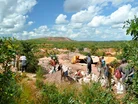
The soaring global demand for EVs is pushing the need for cobalt, crucial for lithium-ion batteries, to all-time highs.
This mineral, predominantly sourced from the Democratic Republic of Congo (DRC), is vital but comes with a heavy cost — intense social and environmental upheaval.
The cobalt boom and the ensuing human rights issues
The DRC is home to one of the largest natural reserves of cobalt. The abundance of cobalt is driving huge economic growth in parts of the country, which is simultaneously fuelling severe human rights violations.
Companies are keen to tap into these resources, often displacing local communities from their homes and lands harshly.
Reports from Amnesty International highlight severe abuses during these displacements including sexual assaults, beatings and arson.
The rush for cobalt has not only stripped locals of their land but also their peace, with 6.9 million people displaced due to related conflicts and violence as of October 2023.
Violence in mining regions
According to Amnesty International, the quest for cobalt is undeniably linked to regional strife.
Studies indicate that cobalt profits are financing ongoing conflicts across the DRC. Neighbouring nations like Rwanda are scrutinised for possibly backing insurgent groups such as M23, which is aiming to dominate the DRC's cobalt-rich areas.
Tensions reached a peak in 2025 with M23 rebels overtaking Goma, a city in the east of the DRC, leading to a tragic death toll ranging estimated at between 900 and 2,000 on 4 February 2025.
The plight of artisanal miners
The cobalt sector is notoriously dangerous, especially for artisanal miners, including many children, who lack basic safety gear, exposing them to hazardous accidents and chronic health issues.
Child labour is particularly problematic. It forces children to forsake schooling to help sustain their families, risking their safety daily. Calls for international attention and intervention continue to grow louder as these practices persist.
Then, there's the environmental toll of cobalt mining.
As a result of the mining process, harmful chemicals pollute water sources and soil, jeopardising health and compromising the sustainability of local agriculture, thereby destabilising communities further.

Seeking sustainable solutions
The backlash against such practices has spurred technology and automotive industries to seek less harmful alternatives .
Innovations like cobalt-free battery technologies or reduced cobalt use are on the rise. Companies like Aliant Battery are pioneering the use of LFP (lithium iron phosphate) which eliminates the need for cobalt.
However, substituting cobalt is complex due to its key role in enhancing battery performance and lifespan.
The role of CSDDD
The introduction of the Corporate Sustainability Due Diligence Directive (CSDDD) represents a significant regulatory change, focusing on ethical sourcing and corporate accountability. This directive influences how companies sourced cobalt, impacting their operations in the DRC.
- Human Rights Due Diligence: The CSDDD requires companies to identify, prevent and mitigate any adverse human rights impacts within their operations. It is particularly relevant to cobalt mining, where human rights violations are prevalent.
- Supply chain transparency: Companies must demonstrate that their cobalt supply chains meet strict human rights and environmental standards. The CSDDD expects this requirement to drive more ethical sourcing practices in the DRC.
- Addressing child labour: The directive explicitly calls for action against child labour. The focus could help reduce the exploitation of children in artisanal and small-scale mining (ASM) operations.
- Formalising Artisanal Mining: The CSDDD indirectly encourages the formalisation of ASM, which accounts for more than 10% of the world's cobalt supply. Formalising the operations could improve working conditions and reduce abuses.
- Increased accountability and tackling root causes: Under the CSDDD, companies face greater scrutiny to address the root causes of cobalt mining abuses, such as unsafe working conditions and inadequate job opportunities for youth.
Forced evictions
On a socio-economic level, forced evictions have devastated communities. These actions strip families of homes, lands, and community infrastructures such as schools and healthcare facilities, plunging many into poverty with little hope of recovery and often inadequate compensation.
The role of multinational corporations
Multinationals wield significant influence. While they can bring employment, often these jobs do not match the local skills, exacerbating economic displacement. As these corporations expand their mining projects, the local ecosystems and resources are redirected away from native use to industrial needs, adversely affecting the local populace.

“The forced evictions taking place as companies seek to expand industrial-scale copper and cobalt mining projects are wrecking lives and must stop now,” says Amnesty International’s Secretary General, Agnès Callamard.
Addressing the crisis enveloping the DRC necessitates a collaborative, rigorous approach. Only through united and transparent actions can we hope to make the global leap towards sustainable energy without sacrificing the dignity and welfare of those in mineral-rich nations like the DRC.
Explore the latest edition of Sustainability Magazine and be part of the conversation at our global conference series, Sustainability LIVE .
Discover all our upcoming events and secure your tickets today.
Sustainability Magazine is a BizClik brand