
The Story Behind Drax Group’s Wood Sourcing Controversy
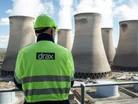
Biomass leader Drax Group is responsible for around 6% of the UK’s electricity, primarily generated at its Yorkshire biomass plant.
The UK requires Drax to report on its wood sourcing, including where in the world it comes from and what type of forest.
The backbone of a net zero economy will be a zero-carbon power system.
Biomass, in the form of compressed wood pellets, is a low-carbon replacement for coal that can be used at power stations to generate renewable energy such as electricity and heat.
The BBC has reported, however, that the company has been using whole trees from British Columbia, Canada, from primary and old-growth forests without reporting it. This type of logging directly contradicts the company’s sustainability criteria as well as UK requirements.
The company says on its website:
“Our sustainability due diligence process is designed to ensure the biomass we use for generation at Drax Power Station is sustainable and compliant with relevant legislation. Woody biomass supplier compliance is evidenced by external certification schemes, alongside our internal assurance system and third-party audits commissioned by Drax.”
Inside the controversy
This isn’t the first time that Drax has come under fire for inaccurate sourcing reporting.
In 2024 it got fined £25m (US$31m) after Ofgem, the energy watchdog, led a 15-month investigation that concluded the company was inaccurately reporting the type of wood it was burning.
This is after the energy company had received £6bn (US$7.4bn) in green energy subsidies from the UK government.
“Drax Group, the UK’s largest renewable power generator, has been under scrutiny for misreporting biomass data and sourcing wood from ecologically significant forests in Canada,” Oonagh van den Berg, CEO and Founder of Compliance Consultancy and Compliance Education said on LinkedIn.
“This is not the first time and according to news reports Drax "...did not deny misreporting its sustainability data but said it is "focused on implementing the lessons learned"."
“Despite these controversies, Drax continues to receive substantial financial support:
- “Barclays Served as a key financier, participating in a US$369m sustainability-linked loan (SLL) to Drax in 2020.
- “RBC Joined a US$208m SLL for Drax in 2021.
- “J.P. Morgan Also involved in financing Drax’s operations.
“These SLLs are designed to incentivise sustainable practices, yet Drax’s environmental track record raises questions about their effectiveness.
“Notably, RBC recently exited the Net Zero Banking Alliance, suggesting a potential shift in its climate commitments.
“This situation prompts a critical examination of ESG policies in banking.
“Are financial institutions prioritising profits over genuine sustainability?
“Is “cash is king” still the prevailing mantra, even at the expense of environmental integrity?
“It’s imperative for banks to align their financing with authentic ESG commitments, ensuring that their support fosters genuine environmental stewardship rather than enabling greenwashing.”
What is biomass?
Biomass involves burning organic materials like wood and agricultural waste to produce energy.
“Biomass is organic matter,” Drax says on its website. “In the case of bioenergy, it typically refers to agricultural by-products and residues, woody waste products, and crops and microbes that can be used for fuel.”
Modern biomass systems have become cleaner and more efficient, significantly reducing emissions compared to traditional fossil fuels.
“At Drax, our transition from coal to biomass has been guided by strict sustainability requirements, ensuring that the biomass we use is renewable and responsibly sourced,” says Will Gardiner, CEO of Drax Group.
However, the use of biomass remains controversial, with some reports questioning its environmental impact.
Sustainability at Drax Group
Drax is transitioning from coal to biomass and aiming for carbon neutrality by 2030. The energy company has played a pivotal role in the UK's transition from coal to renewable energy, particularly through its conversion to biomass.
Drax Power Station, once Western Europe's largest coal-fired plant, has undergone a remarkable transformation to become the UK's single-largest generator of renewable electricity.

By 2023, Drax had officially ended coal-fired generation at its North Yorkshire facility, marking a historic milestone in the country's shift towards a zero-carbon future.
The power station now operates four biomass units, which generated 12.7TWh of electricity in 2022. This transition has significantly reduced Drax's carbon emissions, with the company reporting a 99% reduction in Scope 1 and 2 emissions since 2012.
Drax’s Biomass Sustainability Commitments are threefold:
- Reduce CO₂ emissions
- Protect the natural environment
- Support people and communities
Explore the latest edition of Sustainability Magazine and be part of the conversation at our global conference series, Sustainability LIVE.
Discover all our upcoming events and secure your tickets today.
Sustainability Magazine is a BizClik brand