Can Kew Gardens and Schneider Electric Go Climate Positive?
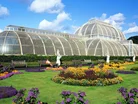
With more than 50,000 plant species, Kew Gardens serves as a global leader in plant conservation and research, according to UNESCO.
Covering more than 300 acres, it features diverse landscapes, including woodlands, lakes and extensive lawns – all key features of healthy biodiversity.
To further enhance its environmental care, Kew Gardens is partnering with Schneider Electric to help it reach climate positive by 2030.

Partnering for the climate
As a UNESCO world Heritage site with Grade 1 and 2 listed buildings, a large amount of visitors and a sizable footprint, it is essential that Kew sets and achieves its sustainability plans and targets.
As Kew’s official Energy Sustainability Partner, Schneider Electric is set to help Kew transition away from fossil fuels and reduce its carbon footprint.
The partnership's aim is to maintain a consistent energy supply, essential for protecting the world's largest, most diverse botanical collections.
“We are proud of our commitment to urgently tackling the dual climate and biodiversity crises through everything that we do at Kew,” says Rachel Purdon, Head of Sustainability at RBG, Kew.
“Our partnership with Schneider Electric marks a major step forward in our sustainability journey.
“Working together we can accelerate progress towards our ambitious goals, including becoming climate positive in less than five years.
“With Kew’s unique combination of historic buildings, globally irreplaceable collections, and role inspiring diverse audiences to connect with nature, we face complex and wide-ranging challenges.
“Schneider Electric’s expertise and hands-on support will be invaluable – it will help us deliver real, measurable decarbonisation progress across our sites.”
How will Schneider Electric help?
The partnership will see Schneider Electric take a hands-on role, advising Kew on how to develop and deliver its comprehensive sustainability plan which includes transitioning away from fossil fuels, reducing carbon emissions and optimising energy use across its historic and complex estate at both Kew Gardens and Wakehurst, Kew’s wild botanic garden based in Sussex.
“Both of our organisations are impact makers, united in our vision for a more sustainable planet,” says Kelly Becker, President, Schneider Electric UK and Ireland, Belgium and Netherlands.
“By combining our climate positive partnership, expertise, and energy management and automation solutions, we’re able to take real action to realise a more sustainable future at RBG Kew.
“We also have deep experience with helping organisations like Kew advance their energy resiliency, a growing priority across businesses, utilities, and communities worldwide.
“In Kew’s case, maintaining a consistent energy supply is essential to protecting the world’s largest and most diverse botanical and mycological collections for humanity – and we’re honoured to be a part of the solution.”
Schneider Electric will provide a dedicated energy optimisation engineer, located onsite and on long-term secondment to Kew, helping to:
- Support Kew in evaluating the impact, cost, and priority of energy efficiency, controls, and monitoring projects
- Identify, assess, and implement energy-saving opportunities within Kew’s Building Management Systems (BMS) and Heating Ventilation and Air Conditioning (HVAC) plant
- Explore available innovative solutions, such as cost-effective electricity use, battery storage, and microgrid opportunities, at both Kew Gardens and Wakehurst.

Sustainability at Kew
Kew Gardens is committed to tackling the twin crises of climate change and biodiversity loss through bold sustainability initiatives.
In 2021, it launched a 10-year strategy that pledges to join the Race to Zero carbon campaign and achieve Climate Positive status by 2030.
Central to this vision is the newly opened Carbon Garden, a permanent space that highlights the role of plants and fungi in capturing carbon, showcases climate-resilient species and encourages visitors to advocate for nature.
Beyond horticulture, Kew is transforming its operations by eliminating single-use plastics, investing in renewable energy, offering sustainable food and reducing waste through composting and recycling.
By combining world-leading scientific expertise with practical action, Kew aims not only to transform its own estate but also to inspire global progress towards the UN Sustainable Development Goals.