Delta & Shell’s Five Year SAF Collab To Decarbonise Aviation
Sustainable Aviation Fuel (SAF) can cut emissions by 80% compared to traditional fuel.
For this reason, Delta Air Lines is planning to scale its use of SAF across the US.
The goal is to prioritise cities with a five-year agreement in collaboration with Shell Aviation until 2030.

Scaling SAF adoption
Through a multi-airport collaboration, Shell Aviation and Delta are aiming to expand both availability and adoption of SAF.
The two companies are set to increase SAF availability across major US airports and cities, including:
- Los Angeles International Airport (LAX)
- Portland International Airport (PDX)
- John. F. Kennedy International Airport (JFK)
- Logan International Airport (BOS)
- Minneapolis-St. Paul International Airport (MSP)
The plan is to build the infrastructure needed to support long term supply of SAF.
The agreement plans to build further on the two company’s decarbonisation goals and decades of collaboration.
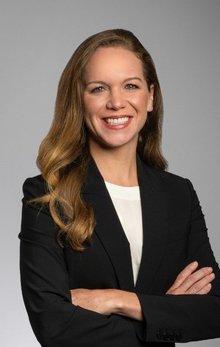
“This collaboration delivers on today’s fuel needs and tomorrow’s aviation solutions,” says Reema Bari, Head of Aviation Americas at Shell.
“By supplying conventional jet, SAF and longer-term innovation, the deal will help strengthen energy security and contribute to the transformation of aviation.”
Transporting the SAF
The joint-venture is also focusing on how the fuel reaches the aircrafts.
Shell is supporting the use and transportation of neat and blended SAF, aiming to solidify the logistics, blending and distribution capabilities for dependable supply.
“Current instability and uncertainty have made one thing very clear to consumers and businesses alike, supply diversity matters,” says Amelia DeLuca, Delta’s Chief Sustainability Officer.
“With Shell, we’re proving that scaling SAF isn’t theoretical, it’s achievable.
“This is about activating real supply chains at scale and creating a model that others can build on as we work across the industry to expand lower impact travel.”
Delta and Shell are continuing to work together and evaluate the next generation of SAF technologies such as, alcohol-to-jet and power-to-liquid pathways.
Shell and Delta’s SAF journeys
Shell is focusing on building the SAF ecosystem end-to-end by investing in production technologies, expanding global supply chains and collaborating with airlines, airports, fuel producers and corporate customers.
Its investments in companies such as EcoOils and LanzaJet, long-term supply agreements with producers like Montana Renewables and World Energy and initiatives such as the blockchain-enabled Avelia platform demonstrate its commitment to scaling SAF availability and demand.
Delta, meanwhile, integrates SAF into a broader sustainability strategy built around more efficient aircraft, operational improvements and cleaner fuels.
The airline has steadily increased its SAF procurement, purchasing more than 23 million gallons in 2025, while also investing in next-generation aircraft and technologies that reduce fuel consumption.
Together, the companies have strengthened their partnership through long-term agreements, including a five-year collaboration through 2030 to expand SAF access across multiple U.S. hubs.
By combining Shell's expertise in fuel production and infrastructure with Delta's commitment to increasing SAF adoption in its operations, the partnership helps accelerate the commercialisation of SAF, demonstrating how collaboration across the aviation value chain is essential to reducing lifecycle emissions from air travel.
Company portals


Executives
Amelia DeLuca
Chief Sustainability Officer

Reema Bari
Head of Aviation