
How is OPEC Threatening The Global Clean Energy Transition?
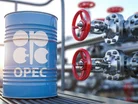
The latest surprise from OPEC and its allies, a swift decision to restore oil production at scale, has created fresh disruption through global energy markets.
As oil futures falter and producers brace for lower returns, the move is being cheered by consumers and policymakers seeking to tame inflation.
Yet the implications for climate commitments, energy transition progress and sustainable economic planning are more complex than a simple drop in fuel prices.
With the world inching toward net zero, this shift risks pulling the brakes on momentum.

A long-term risk
OPEC+’s decision to accelerate the return of 548,000 barrels per day in August, with the possibility of a similar increase in September, marks a sharp pivot from previous plans to gradually ease output restrictions.
US President Donald Trump, a vocal critic of high energy prices, sees this as a strategic win, helping alleviate fuel costs ahead of a challenging economic year.
However, this surge comes amid forecasts of a supply glut by winter.
The International Energy Agency (IEA) expects a surplus equal to 1.5% of global demand by Q4.
Despite this, Saudi Arabia raised its crude prices for Asian buyers, signalling faith in near-term demand. However, many analysts view this confidence as misplaced.
The sustainability dilemma
From a sustainability point of view, the timing is problematic.
As global leaders push for deeper fossil fuel reductions ahead of COP29, OPEC+’s decision reasserts oil’s dominance.
The shift undermines climate-aligned energy planning and risks derailing decarbonisation investments in favour of cheaper, short-term fossil fuel gains.
Moreover, with oil prices potentially dipping below US$60, according to Goldman Sachs and JPMorgan, renewables and green technologies face a competitive disadvantage.
“The official return of barrels is one thing, but actual new supply versus the headline numbers is another,” says Doug King, CEO of RCMA Capital LLP.
“Diesel premiums are showing the market is undersupplied. So unless we see physical weakness via visible inventory increases, I don’t see a path lower for crude prices.”
Price volatility adds risk to clean energy investors already dealing with uncertain policy frameworks and regulatory lag.
A Saudi Arabian strain
Producers across the board are under pressure.
US shale drillers are scaling back drilling plans as oil prices falter.
In Saudi Arabia, the need for oil above US$90 a barrel to fund Crown Prince Mohammed bin Salman’s economic transformation is becoming more urgent.
The kingdom’s fiscal deficit is ballooning, and spending cuts to key projects may follow.
Should this financial strain outweigh market share ambitions, a policy reversal is possible.
However, for now, OPEC+ seems determined to cement its role – even at the expense of environmental priorities.
“For now, the oil market remains tight, suggesting it can absorb additional barrels,” explains Giovanni Staunovo, Commodity Analyst and Chief Investment Officer at UBS.
“But there are rising risks like ongoing trade tensions, implying that the market could look less tight over the coming 6-12 months, which would pose downside risks to prices.”
Absorbing a surge
Giovanni notes that markets remain tight enough to handle the additional barrels for now.
Falling US diesel inventories and summer travel demand provide short-term support.
But the backdrop of weakened Chinese consumption, ongoing trade tension and election-year geopolitics could quickly erode that buffer.
“They do have the option of a volte-face,” says Neil Atkinson, an Independent Energy Analyst and Former Head of the IEA’ Oil Industry and Markets Division.

However currently, “there’s no alternative but to ensure market share and accept lower prices.
“You might as well accept the world for what it is, which is what they’re doing.”
Even so, visible oversupply remains elusive. Without a corresponding rise in inventories, it is unclear whether the market will price in a deeper slump.
At a crossroads
The OPEC+ output decision represents more than a shift in barrels, it's a pivot point between economic expediency and sustainable progress.
While consumers may welcome short-term relief at the pump, the long-term cost could be a slowdown in climate action, reduced green investment and a reinforcement of fossil fuel reliance.
Sustainability advocates, policymakers and investors will need to reassert their commitments in the face of renewed oil market dominance.
As fossil fuel producers seize the moment, the world’s energy future risks losing momentum at a critical juncture.