The Pros and Cons of Pedestrianising London's Oxford Street
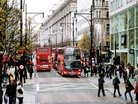
Sadiq Khan, the Mayor of London, has reignited the conversation around Oxford Street’s future with a new proposal to pedestrianise one of the world’s busiest shopping streets.
The plan, which would ban traffic along a 0.7 mile stretch from Oxford Circus to Marble Arch, aims to revitalise a flagship high street that has long been in decline.
“Oxford Street has suffered over many years, so urgent action is needed to give our nation’s high street a new lease of life,” says Sadiq.
“We want to rejuvenate Oxford Street; establish it as a global leader for shopping, leisure and outdoor events with a world-class, accessible, pedestrianised avenue.”

Backed by the public and businesses
Following a major public consultation that drew responses from more than 6,600 individuals, groups and businesses, the mayor’s office reports “overwhelming public and business support” for the proposals.
Nearly two-thirds of respondents supported full pedestrianisation, with that figure rising to nearly three-quarters among recent visitors to the area.
Angela Rayner, Deputy Prime Minister and Secretary of State for Housing, Communities and Local Government, says: “We want to see Oxford Street become the thriving place to be for tourists and Londoners alike and that’s why we welcome the mayor of London’s bold proposals to achieve that.”
Economic renewal through sustainability
Sadiq's vision goes beyond aesthetics.
With Oxford Street estimated to contribute £22.75bn (US$30.45bn) annually to the UK economy, the transformation aims to restore the area’s former vibrancy while addressing the environmental impacts of congestion and pollution.
“This will help to attract more international visitors and act as a magnet for new investment and job creation, driving growth and economic prosperity for decades to come,” explains Sadiq.
“With an estimated annual contribution of £22.75bn, Oxford Street is of critical national importance, but for too long it has suffered from decline due to the rise of online shopping, the pandemic and high-profile closures,” Sadiq wrote on LinkedIn
“We know that improving the pedestrian environment encourages visitors to stay longer and spend more, opening up new opportunities like al fresco dining and helping us build a better London for everyone."
Backing from the business community has also been vocal.
“This plan will create a more welcoming and accessible space – bringing wide-ranging benefits to visitors, shoppers, businesses and the wider community,” comments Peter Jelkeby, Chief Executive of IKEA UK and Ireland.
Sadiq Khan made the announcement on the rooftop of Selfridges.
“While the mayor’s formal decision today was not the council’s preferred outcome, it is far from unexpected and it is now important for Oxford Street’s future to move forward together,” says Adam Hug, Westminster City Council’s Labour leader.
Opposition also came from accessibility advocates and transport groups.
“We are the only 100% disability transport access to and from Oxford Street and now they're going to exclude us,” explains Steve McNamara, General Secretary of the Licensed Taxi Drivers Association.
“London is already Europe’s most congested city, we're the fifth-most congested city in the world and I'm beginning to think City Hall is trying to get us to number one.”
Tim Lord, Chair of the Soho Society comments: “No convincing plan has ever been presented… the elephant in the room is that Oxford Street’s problems are to do with the quality and attractiveness of the retail offering.”
A sustainability vision
The mayor’s plans include not just pedestrianisation but greening the street, allowing for outdoor events and al fresco dining.
A mayoral development corporation (MDC) could be established by early 2026 to provide the planning powers needed to push the project forward.
Christian Tonnesen, Group Sustainability at Selfridges, says: “I’m giddy with excitement that Oxford Street will be pedestrianised and believe it should have happened decades ago.
“Now, imagine what London could do with this space. I’d like more trees, swifts and birdsong. And at least three pocket parks.
“Go big (and green) or go home.”
Detailed traffic and highway proposals, including the rerouting of 16 bus routes, will be released later this year for further consultation.
The first phase will focus on pedestrianising the area between Orchard Street and Oxford Circus.
“This transformation will deliver a world-class, accessible, clean and vibrant avenue, supporting businesses, hospitality and the nightlife sector, creating new jobs and boosting economic growth,” Sadiq wrote on LinkedIn.
“Building on this strong support, I will now bring forward plans for the phased pedestrianisation of Oxford Street and the establishment of an MDC to drive forward regeneration.”
As London contends with rising pollution, congested streets and shifting retail habits, the pedestrianisation of Oxford Street may prove to be both a cultural and environmental turning point.
Explore the latest edition of Sustainability Magazine and be part of the conversation at our global conference series, Sustainability LIVE.
Discover all our upcoming events and secure your tickets today.
Sustainability Magazine is a BizClik brand