How PepsiCo is Electrifying its Manufacturing
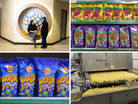
Crisps have a carbon footprint of 2.88kg CO₂ per kg, according to Carbon Cloud’s research, with the majority of emissions reportedly originating from agriculture and manufacturing.
PepsiCo is pushing to reduce these emissions using various decarbonisation strategies.
Most recently, the food and drink giant has invested US$77m into its UK site in Leicester, to install three sustainable electric ovens to create its crisps.
Jim Andrew, Chief Sustainability Officer at PepsiCo said on Linkedin: “What’s the hottest thing going this summer? At our Leicester, UK facility, it’s our new sustainable electric ovens!
“Some of our local fan favorites like Cheetos, Wotsits and Monster Munch are now cooked in ovens powered by 100% renewable electricity, thanks to the completion of a £58m investment in our Leicester site.
“With two new electric ovens and a third converted from gas to electric, we’re set to cut the site’s greenhouse gas emissions by 1,500 tonnes a year.
“It’s all part of our global pep+ goal to achieve net-zero emissions by 2050, strengthening the resiliency of our business in the near and long-term while honing our focus on where we believe we can have the most positive impact.”
How is PepsiCo using renewable energy?
The investment will contribute to three electric ovens meaning that crisps like Wotsits, Monster Munch, Frazzles, Chipsticks and Cheetos will now be cooked using 100% renewable energy.

PepsiCo reports that switching to the electric ovens will reduce greenhouse gas emissions by 1,500 tonnes a year.
Due to the investment, the crisp manufacturing has moved to Leicester cutting transport related emissions by an estimated 915 tonnes a year in the UK.
Richard Clarke, Manufacturing Director at PepsiCo UK and Ireland, said “It’s fantastic to see the impact of our investment in each and every batch of delicious snacks made using our new electric ovens.
“With a brand-new production line, better facilities for our teams, and now these more sustainable ovens, we’ve been able to transform our home in Leicester and secure its future growth.
“We’re incredibly proud of all the work that goes into making our iconic snacks right in the heart of the UK, and even more so now we’re doing it in a more sustainable way.”
PepsiCo’s Scope 1 and 2 emissions reduction strategy
By 2030 PepsiCo aims to reduce its Scope 1and 2 emissions by 50%, with a goal to reduce them by 90% by 2050.
In 2022, Scope 1 and 2 represented 8% of the company's carbon footprint, which it aims reduce by:
- PepsiCo aims to improve energy efficiency, utilising its resource conservation program aiming to reduce waste in manufacturing and warehouse operations. By identifying opportunities to reduce fuel and electricity consumption, deploying energy-efficient lighting, heating and cooling systems and driving behavioural improvements through training.
- Seeking to install renewable electricity assets.
- Using renewable fuels like biomass, biogas and biofuels and where possibly electrification of equipment like boilers and heat pumps.

What else is PepsiCo doing to electrifying its brand?
PepsiCo is also piloting a scheme of electrification which includes the electric ovens rolled out in Leicester.
As well as trialling heat pump technology in Belgium, researching efforts to decarbonise the toasting process and replacing gas pipes with electrification powered by solar farms in Poland.
Allocating US$272m to decarbonisation projects which is expected to reduce Scope 1and 2 emissions by more than 125,000 metric tons a year.
Ramon Laguarta, PepsiCo CEO said: "Every day, PepsiCo is sourcing ingredients, making products, and creating smiles all over the world.
“As we think about the potential impacts of climate change on suppliers, customers and consumers in our value chain, we believe strategic action can help build a more sustainable, positive future for us all."