
How Tetra Pak's Heat Pump-Powered Pasteurisation Works
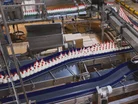
Tetra Pak has announced the launch of a new integrated heat pump system designed to electrify pasteurisation processes, claiming energy reductions of up to 77% for large-scale dairy operations.
The Swiss-headquartered packaging giant announced the system as an addition to its Factory Sustainable Solutions portfolio, targeting food and beverage producers seeking to reduce both operational costs and carbon emissions.
Tetra Pak's route to heat recovery at an industrial scale
The technology centres on recovering waste heat generated during pasteurisation, a process that typically relies on fossil fuel-fired boilers for heating and electric chillers for cooling.
Tetra Pak's system combines both functions, using an electric heat pump to capture low-temperature waste heat and upgrade it to higher temperatures whilst simultaneously generating ice water for cooling.
The company claims the system recovers up to 2 kWh of heat for every 1 kWh of electricity consumed, making it up to three times more efficient than conventional boilers.
The economic and environmental benefits of the technology
For a typical dairy line processing 60,000 litres of milk per hour and operating 6,000 hours annually, Tetra Pak estimates annual savings of up to US$250,000 in operating expenses.
The same operation could cut CO₂ emissions by up to 650 tonnes per year, according to the company's calculations.
These figures assume specific process conditions including product temperatures, heat recovery effectiveness and utility system efficiency, with actual savings varying by facility.

What applications does the heat pump system have?
The system targets producers running large-scale pasteurisation processes across several product categories.
Tetra Pak identifies fruit juice, chilled milk, cheese production and ambient milk pre-treatment as key applications where the technology could deliver substantial returns.
"Food and beverage producers need smarter ways to reduce energy use without compromising performance," explains Nicole Uvenbeck, Director of Factory Sustainable Solutions and OEM Components at Tetra Pak.
"The new heat pump system delivers up to three times the efficiency of conventional boilers, recovering 2 kWh of heat for every 1 kWh of electricity."
Nicole added that the company works with customers to integrate the system into existing operations, drawing on what she described as deep processing expertise and a global network.
The electrification of the food and drink industry
The launch comes as food and beverage manufacturers face pressure to reduce fossil fuel dependency amid volatile energy markets and tightening emissions regulations.
Industrial heat pumps have gained traction across European manufacturing as governments push electrification of thermal processes, though adoption rates vary significantly by sector and facility size.
Tetra Pak's system addresses a specific bottleneck in dairy and beverage production where thermal energy demand is concentrated in pasteurisation, making heat recovery economically viable at scale.
"By blending advanced technology with a deep understanding of the daily challenges F&B producers face, we've developed a solution designed to make one of the most energy-intensive stages of food production more efficient," says Fiona Liebehenz, VP of Key Components, Plant Solutions and Channel Management at Tetra Pak.
The company has not disclosed pricing for the system or indicated how many units it expects to deploy.
Company portals

Executives

Fiona Liebehenz
VP of Key Components, Plant Solutions and Channel Management

Nicole Uvenbeck
Director of Factory Sustainable Solutions and OEM Components