
How will TotalEnergies Integrate its Multi-Energy Portfolio?

The world’s energy systems are in flux, and few companies feel that pressure more than those sitting at the centre of the transition.
TotalEnergies, France's largest energy company, is looking to turn this moment into an opportunity. The company has built a model that weaves all of its energy activities together, from oil and biofuels to renewables and electricity.
Rather than treating each energy stream in isolation, TotalEnergies is looking to build connections between them.
But what exactly does that entail?

TotalEnergies' multi-energy model
TotalEnergies now operates across 130 countries, producing oil, gas, biofuels and renewable energy.
Its integrated multi-energy model links every stage of these operations, from generation to storage, trading and distribution. The result is greater visibility across the entire organisation and, importantly, more control when markets shift.
The aim isn’t only efficiency but balance. As the energy transition continues to accelerate, TotalEnergies hopes that this model will ensure that no part of the business operates in isolation and that each element supports the others.
"TotalEnergies remains committed to sustain the energy transition and to invest in the Integrated Power value chain, with a right mix between renewables and flexible assets in order to deliver clean firm power to our customers," says Olivier Jouny, SVP of Renewables at TotalEnergies.
Weathering the turbulence of the energy market
The energy market has always been volatile, and recent years have been particularly up and down.
Climate-related events, political tensions and trade disruptions have shaken global supply chains. For companies like TotalEnergies, the key to surviving that storm is flexibility.
By integrating both its upstream and downstream activities, the company is hoping to be able to adjust quickly to swings in raw material prices or policy changes.
When markets tighten, it can pivot resources and make use of strengths elsewhere in its portfolio. Then, when conditions improve, it can seize the moment.
This model also acts as a platform for innovation. With so many energy technologies under one roof, the company can test new ideas quickly, linking expertise across departments to find better solutions.
Its network of partnerships and suppliers acts as an amplifier, connecting research, logistics and policy in service of cleaner, more reliable energy.
Powering a sustainable future
TotalEnergies’ biggest ambitions for the future lie in electrification.
The French energy giant is planning to grow its presence across the entire value chain, including the generation of renewable energy, energy storage and gas-fired power.
Each link in the chain is designed to support the others. When the availability of renewable energy fluctuates, gas is there to provide back up.
Storage can keep the grid steady, funnelling surplus renewable energy to batteries and distributing it when supplies run low. Together, they can create a more resilient system, TotalEnergies hopes.
What's more, by expanding into electricity and renewables, TotalEnergies is spreading its risk, deepening its capabilities and driving progress towards carbon neutrality.
Company portals
Executives
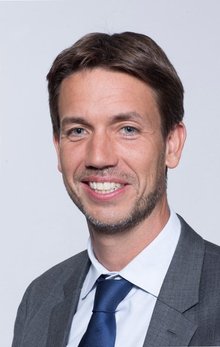
Olivier Jouny
SVP Renewables