PepsiCo's 2030 Progress: Scaling Regenerative Agriculture
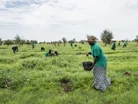
PepsiCo has made progress towards its 2030 Positive Agriculture goals through changes in sourcing and farming practices.
The company works with suppliers across 61 countries and relies on more than 50 crops and ingredients.
These range from potatoes and oats to citrus fruits and corn, forming the foundation of its global product portfolio.

Addressing agricultural challenges
The global food system faces constraints from soil degradation, water scarcity and climate pressures.
PepsiCo's Positive Agriculture 2030 plan targets regenerative farming practices, nature restoration and sustainable sourcing.
The plan also aims to improve livelihoods for farmers in its supply chain.
According to PepsiCo, the company has expanded regenerative, restorative and protective practices to 4.7 million acres worldwide. The target is 10 million acres by 2030.
Jim Andrew, Chief Sustainability Officer and Executive Vice President at PepsiCo, says the plan addresses both environmental and economic needs.
"As we continue work to help advance toward a more resilient and sustainable food system, I'm proud of the notable progress we're making, particularly in scaling regenerative agriculture, restorative or protective practices and expanding opportunities that help strengthen livelihoods," Jim says.
"Our Positive Agriculture agenda is delivering impact for both people and the planet. While there is more work ahead, this momentum underscores what's possible through strong collaboration and continuous innovation."
Farmer engagement and sourcing
Farmer engagement increased throughout 2025 through partnerships with farmer-focused organisations. PepsiCo and its partners used combined expertise to create locally-relevant programmes.
The future of agriculture isn’t a distant ambition, it’s something we’re helping build right now, acre by acre.
Farmers could implement practices suited to their crop and climate conditions.
The programme includes incentives focused on economic and environmental outcomes. Support is provided through peer networks, data-driven insights and technical assistance.
According to PepsiCo, 70% of its key ingredients are now sourced sustainably, with a target of 90% by 2030.
Approximately 2% of volumes are progressing towards sustainable practices through PepsiCo's Engaged pathway.
The company has supported approximately 224,000 people across its agricultural supply chains and communities since 2021. PepsiCo aims to improve more than 250,000 livelihoods by 2030 through dedicated programming.
Jim adds: "The future of agriculture isn't a distant ambition, it's something we're helping build right now, acre by acre.
"We've now scaled regenerative, restorative and protective practices to 4.7 million acres globally, a meaningful step toward our goal of reaching 10 million acres by 2030.
"Behind that number are real people and real collaborations. From working with farmers to co-designing locally relevant programmes, to launching initiatives like STEP Up for Agriculture with industry collaborators, we're helping strengthen the systems that support farmers so sustainability is not only achievable, but economically viable."
Innovation and training programmes
PepsiCo invests in tools ranging from precision agriculture technology to climate resilience platforms. These tools could help farmers adapt to the impacts of climate change whilst improving operational efficiency.
The Positive Agriculture Outcome Accelerator supported more than 15 global innovation projects in 2025.
- 70% of PepsiCo's key ingredients are sourced sustainably
- 4.7 million acres are regenerative, restorative and protective
- 15 global innovation projects were supported in 2025
- More than 1,100 farmers have been supported through training programmes in 2025
- Since 2021, PepsiCo has supported approximately 224,000 people across its supply chains
The company reached more than 1,100 farmers through training programmes, trials and demonstration farms in 2025.
PepsiCo's investment in supply chains focuses on developing resilience and empowering farmers. The company continues to prioritise sustainable sourcing across its agricultural operations.
Jim adds that 70% of key ingredients are being sustainably sourced in accordance with company guidelines.
The focus remains on making sustainability economically viable for farmers whilst building long-term supply chain resilience. This approach aims to create lasting change across the agricultural sector.
Company portals

Executives
Jim Andrew
Chief Sustainability Officer, EVP and Executive Committee member