
Rolls-Royce SMR Deal Marks Pivot in UK Clean Energy Shift

The UK's journey towards energy independence and decarbonisation has reached a critical milestone. Great British Energy and Rolls-Royce SMR have formally signed a contract that activates the next phase of the country's small modular reactor programme, a £3.3bn (USD $4.2bn) publicly funded initiative designed to deliver clean, homegrown power and help the nation break free from fossil fuel dependency.
The agreement, announced on 13 April following Rolls-Royce SMR's selection as preferred technology partner in June 2025, unlocks site-specific design work, regulatory engagement and planning processes ahead of a future Final Investment Decision. This deal could represent a turning point in how the UK generates electricity, moving away from carbon-intensive energy sources towards a more sustainable model that prioritises long-term environmental benefits over short-term fossil fuel reliance.
The contract commits Rolls-Royce SMR to delivering three reactor units that will generate at least 1.4 GW of low-carbon electricity. This represents enough clean energy to power approximately three million homes for more than 60 years, significantly reducing the carbon footprint of residential energy consumption across the country.
The project is expected to support 3,000 construction jobs, with additional employment opportunities distributed throughout the domestic supply chain. Great British Energy's nuclear branch is drawing on the £3.3bn (USD $4.2bn) allocated during last year's Spending Review, while the National Wealth Fund is separately committing up to £760m (USD $960m) directly to Rolls-Royce SMR to support the technology's development and strengthen investor confidence in clean energy infrastructure.
"This contract unlocks the delivery of our first three units and brings certainty to the UK SMR programme," says Chris Cholerton, CEO of Rolls-Royce SMR. "We are transforming the way nuclear projects are delivered, to give greater cost and schedule certainty with a standardised, factory-built approach."
Reducing construction's environmental impact
The environmental advantages of SMRs extend beyond their operational phase. Unlike traditional large-scale nuclear plants, small modular reactors utilise factory-built components that are assembled on site, which could reduce both the carbon footprint of construction and the environmental disruption typically associated with massive building projects.
This modular construction method could mean fewer materials wasted, reduced transportation emissions and less land disturbance during the building phase. Whether these environmental promises hold at scale remains to be proven, but the government appears committed to testing the approach as part of its broader clean energy transition strategy.
The factory-built approach represents a fundamental shift in how nuclear infrastructure is developed. By manufacturing components in controlled environments, the process aims to improve quality control whilst minimising the environmental impact traditionally associated with large-scale construction sites.
Great British Energy – Nuclear has already awarded more than £445m (USD $562m) in supply chain contracts this year alone, suggesting the programme is advancing more rapidly than initial projections indicated. Simon Roddy, CEO of GBE-N, believes this project will deliver substantial benefits beyond just megawatts.
"Working with Rolls-Royce SMR, we are bringing a significant long-term investment to the UK industrial supply chain," he says. "Supporting skills, innovation and growing our industrial capability is essential to this partnership."
Breaking free from fossil fuels
Energy Secretary Ed Miliband has been explicit in connecting the announcement to current global energy instability and the urgent need to transition away from carbon-intensive power sources.
"At a time of global instability, this is a major milestone for Britain's energy security," he says. noting that the project would create "a generation of good jobs" and deliver "clean, homegrown power for decades to come".
GBE-N's announcement emphasised that the ongoing conflict in the Middle East serves as a reminder of the environmental and geopolitical risks of fossil fuel dependency. This reflects the broader political and environmental pressure driving the clean energy agenda beyond purely commercial considerations.
For countries seeking to meet climate commitments whilst maintaining energy security, the fossil fuel dependency model increasingly appears unsustainable both environmentally and economically. Nuclear power, despite ongoing debates about waste management, produces no direct carbon emissions during operation and could provide the consistent baseload power needed as nations phase out coal and reduce natural gas consumption.
The shift towards nuclear energy represents a pragmatic response to the dual challenges of climate change and energy security. As renewable sources like wind and solar continue to expand, nuclear power offers the reliable baseload capacity needed to ensure grid stability during periods when weather-dependent generation falls short.

Europe's clean energy future
For Rolls-Royce SMR, the British contract represents just one component of a broader European clean energy strategy. Chris noted that the company already has plans for up to six further units in Czechia, making it, in his words, "the only company with multiple commitments in Europe".
This European dimension could prove crucial for accelerating the continent's transition away from fossil fuels, as a larger order book makes the factory-built model more economically viable and helps distribute development costs across multiple projects rather than concentrating financial risk on a single deployment.
Sustainability, procurement and supply chain leaders won’t want to miss Sustainability LIVE: The US Summit, taking place at Navy Pier, Chicago, on 21–22 April.
Co-located with Procurement & Supply Chain LIVE, the event unites senior decision-makers at a time when supply chains, sustainability and business performance are more interdependent than ever.
Secure your place now for The US Summit – group booking discounts available.
Whether that pipeline materialises will depend on factors beyond Whitehall's control, but the UK contract provides a foundation that could give the wider programme credibility with future customers and investors committed to long-term decarbonisation goals.
The success of the UK programme could serve as a blueprint for other European nations seeking to reduce their carbon emissions whilst maintaining energy independence. As the technology proves itself commercially viable, it may accelerate adoption across the continent and contribute significantly to Europe's collective climate targets.
Company portals


Executives
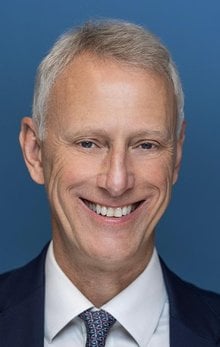
Chris Cholerton
CEO of Rolls-Royce SMR

Simon Roddy
CEO of Great British Energy - Nuclear